
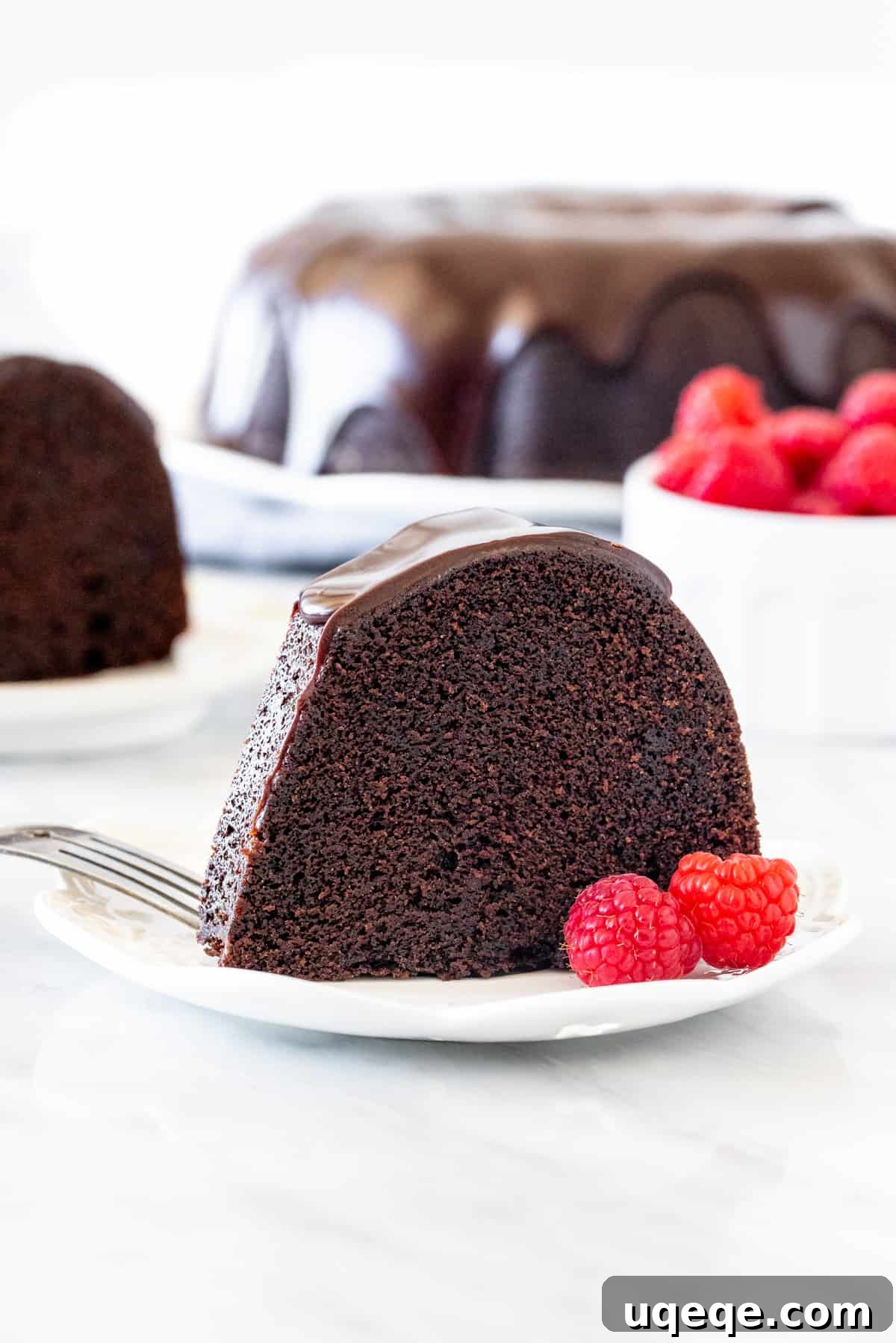
This exceptional chocolate pound cake is the epitome of moist and buttery perfection, boasting a deep, delicious chocolate flavor that truly satisfies. Its inherent simplicity is part of its charm, and it reaches new heights of indulgence with a generous drizzle of homemade chocolate ganache.
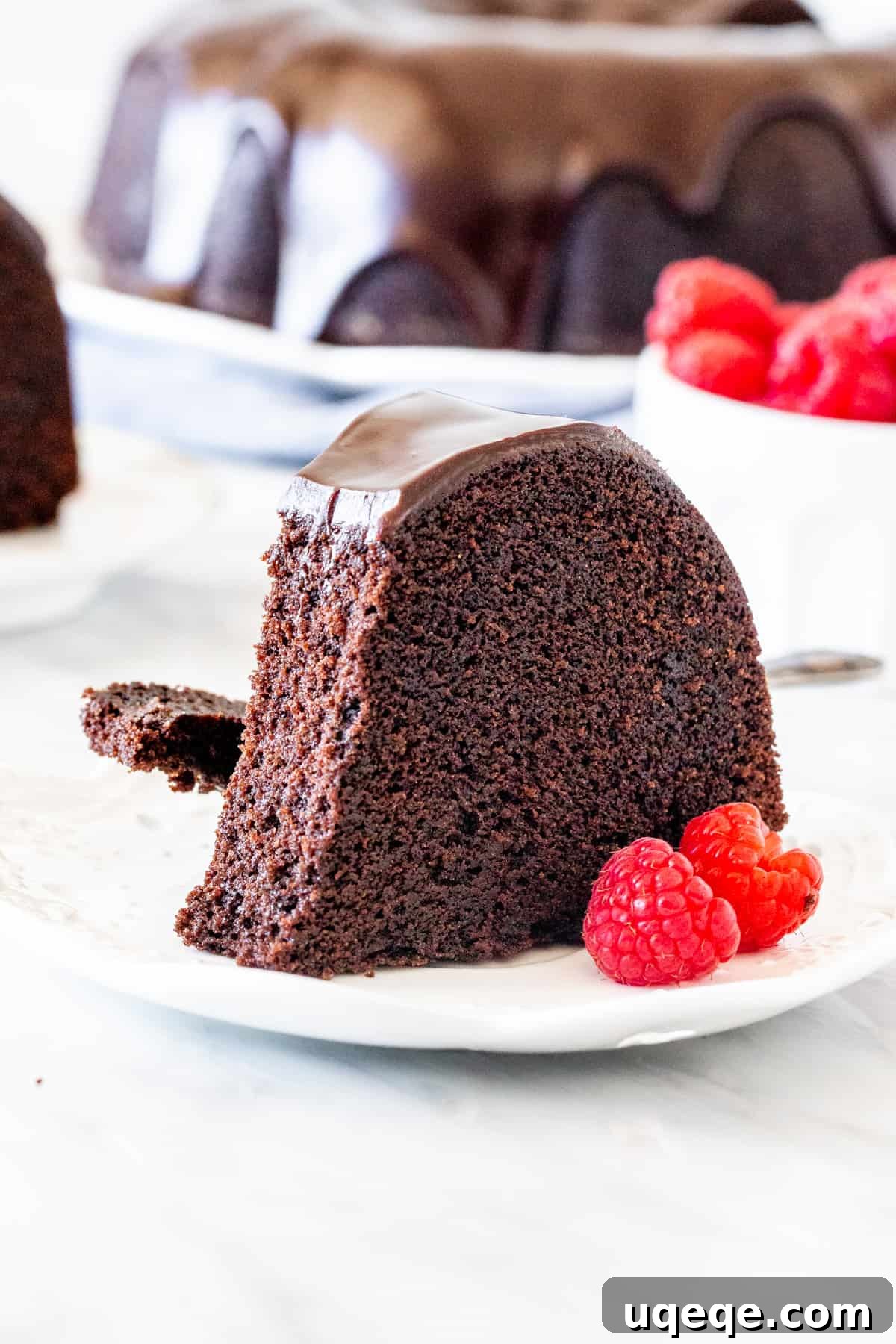
The Ultimate Chocolate Pound Cake: Rich, Moist & Buttery Perfection
There’s something inherently comforting and luxurious about a perfectly baked pound cake. Its dense, yet tender crumb and rich flavor make it a timeless classic. But when you infuse that classic structure with the irresistible depth of chocolate, you elevate it to an entirely new level of indulgence. This chocolate pound cake recipe delivers on all fronts: a moist, buttery texture, a profoundly rich chocolate taste, and a beautiful appearance that’s sure to impress.
Unlike lighter, airy cakes, a true pound cake is known for its substantial, tight crumb, which yields beautifully clean slices. This recipe honors those traditional characteristics while enveloping them in a sophisticated chocolate embrace. It’s rich without being overly sweet, making it versatile enough for a casual family dessert or an elegant dinner party. Serve it simply with a dollop of whipped cream and fresh berries, or take it to decadent heights with a glossy homemade chocolate ganache.
While some chocolate cakes aim for towering layers and intricate decorations, this chocolate pound cake thrives in its elegant simplicity. It’s a testament to the idea that classic flavors and textures, executed flawlessly, can be truly extraordinary. Prepare to fall in love with its deep chocolate notes and incredibly tender crumb.
What Makes a Perfect Pound Cake?
The name “pound cake” historically derives from its original recipe calling for a pound of each of its four main ingredients: butter, sugar, eggs, and flour. This simple ratio results in a remarkably dense, moist, and buttery cake. Over time, variations emerged, often incorporating leavening agents like baking powder or baking soda, or adding moistening agents such as buttermilk, sour cream, or cream cheese to further enhance its texture.
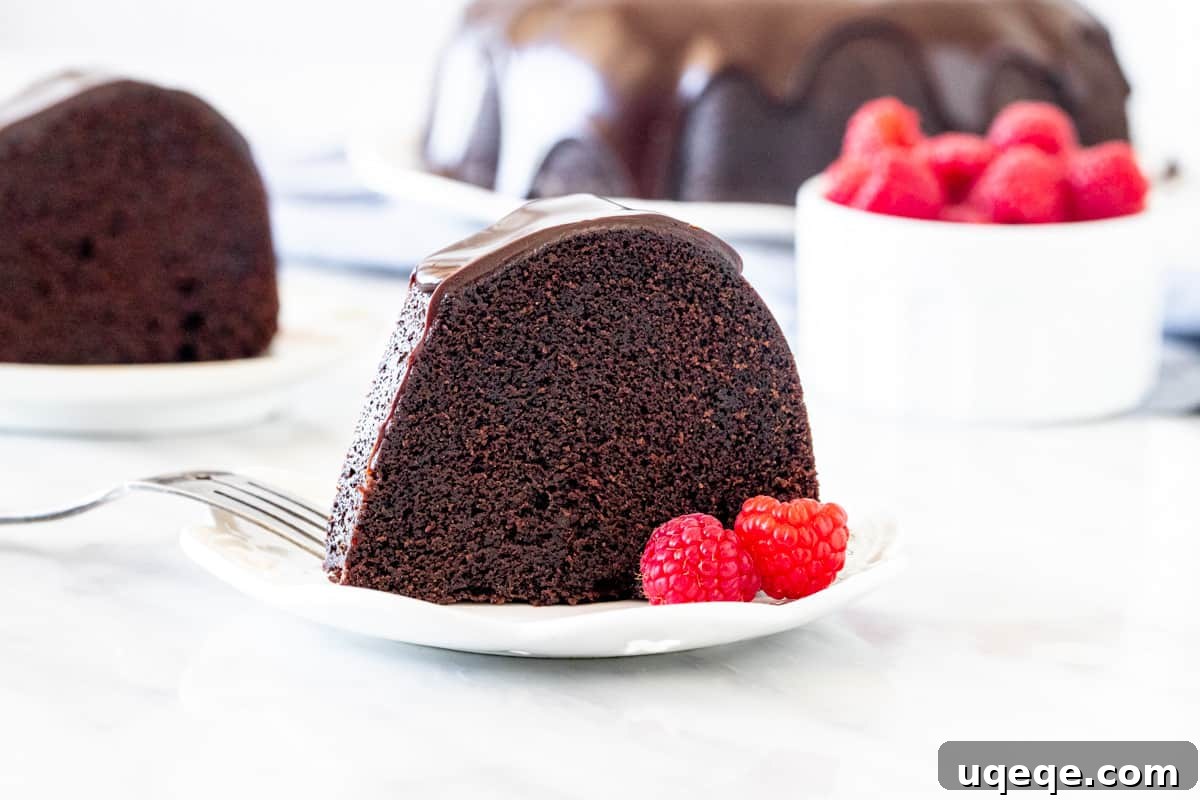
A classic pound cake should possess a golden-brown crust, especially when baked in a bundt pan, which adds delightful textural contrast. The interior crumb should be incredibly fine and tight, signifying a dense cake that holds its shape beautifully when sliced. Despite its density, it should never be dry; rather, it should melt in your mouth with a rich, buttery flavor. This chocolate pound cake embodies all these desirable traits, marrying them seamlessly with a profound and balanced chocolate essence.
Essential Ingredients for Chocolate Pound Cake: Understanding Their Roles
Crafting the perfect chocolate pound cake starts with understanding the role each ingredient plays. While the traditional pound cake uses four core components, this recipe introduces a few additions that significantly enhance the chocolate flavor and moistness. Quality ingredients are paramount, particularly when butter and cocoa are such dominant flavors.
- 1 cup (226 grams) Unsalted Butter: Butter is the cornerstone of any great pound cake, contributing immensely to its rich flavor and tender crumb. Using unsalted butter allows you to control the exact amount of salt in the recipe. If you only have salted butter, simply omit the 1/2 teaspoon of added salt. Always ensure your butter is at room temperature; this is crucial for proper creaming with the sugar, creating an airy, emulsified base that traps air and contributes to the cake’s rise and texture.
- 3 cups (600 grams) Superfine Sugar (Caster Sugar): While granulated sugar works, superfine or caster sugar is highly recommended for pound cakes. Its finer granules dissolve more readily into the butter, creating a smoother, more uniform batter and preventing a gritty texture. Sugar not only provides sweetness but also contributes to the cake’s moisture retention, tenderness, and crust development.
- 5 Large Eggs: Eggs are vital for structure, richness, and leavening. When beaten into the creamed butter and sugar, they incorporate additional air, which helps the cake rise and achieve its characteristic density. Like butter, eggs should be at room temperature to ensure they emulsify smoothly into the batter without curdling.
- 1 cup (80 grams) Cocoa Powder: For a truly rich and intense chocolate flavor, **Dutch process cocoa powder** is highly recommended. Dutch processing neutralizes cocoa’s acidity, resulting in a darker color and a smoother, less bitter chocolate taste. If you use natural cocoa powder, the cake’s texture and rise might differ slightly due to the change in acidity interacting with the baking soda.
- 2 cups (250 grams) All-Purpose Flour (Plain Flour): Flour provides the primary structure of the cake. Accurate measurement is critical. The best method is to use a kitchen scale for precise results (250 grams). If using measuring cups, always use the “spoon and level” method: whisk the flour in its container, then spoon it gently into your dry measuring cup and level off the top with a straight edge. Never scoop directly with the measuring cup, as this compacts the flour and can add up to 40% too much, leading to a dense, dry cake.
- 1/2 teaspoon Baking Soda: While traditional pound cakes rely solely on air incorporated during creaming for their rise, a small amount of baking soda in this recipe helps to provide a slightly better lift and a more tender crumb, especially when combined with acidic ingredients like sour cream and Dutch process cocoa (which is often still slightly acidic or requires a leavener).
- 1/2 teaspoon Salt: A non-negotiable ingredient in baking, salt enhances and balances the sweetness of the cake, bringing out the depth of the chocolate flavor. Do not omit it, unless you are using salted butter.
- 2/3 cup (160 ml) Boiling Water: This ingredient is key to intensifying the chocolate flavor. The boiling water “blooms” the cocoa powder, releasing its full aromatic potential and creating a more profound chocolate taste throughout the cake. It also helps to thin the batter slightly for optimal texture.
- 2 teaspoons Instant Coffee Powder (Optional, but Recommended): Don’t worry, your cake won’t taste like coffee! Instant coffee is a secret weapon in chocolate baking; it acts as a flavor enhancer, amplifying the chocolate notes without imparting its own distinct taste. It simply makes the chocolate taste “more chocolatey.”
- 1 cup (240 ml) Sour Cream (18% MF recommended): This is a star ingredient for ultimate moistness. Substituting some of the butter with sour cream adds a wonderful tang and ensures an incredibly tender, moist crumb that stays fresh longer. Ensure it’s at room temperature for smooth incorporation.
Mastering the Bake: Expert Tips for a Flawless Chocolate Pound Cake
Achieving a perfect pound cake, with its signature dense yet tender crumb, requires attention to detail. Follow these expert tips to ensure your chocolate bundt cake turns out beautifully every time.
- Thorough Bundt Pan Preparation: A well-greased and dusted bundt pan is critical to prevent sticking. Even if your pan is non-stick, take extra care to coat every nook and cranny with butter or baking spray. Then, dust generously with cocoa powder (instead of flour, to avoid white patches on your dark cake), tapping out any excess. This ensures a clean release and a beautifully defined cake.
- All Ingredients at Room Temperature: This cannot be stressed enough! Butter, eggs, and sour cream must be at room temperature. Room temperature ingredients emulsify more effectively, creating a smooth, cohesive batter that traps air efficiently. Cold ingredients can cause the batter to curdle, resulting in a dense, inconsistent texture. Plan ahead and take them out of the fridge at least 30-60 minutes before you start.
- Cream Butter and Sugar Until Light and Fluffy: This is the foundation of your cake’s texture. Beat the room-temperature butter and superfine sugar together for a full 5 minutes (or even longer) on medium-high speed. The mixture should become noticeably lighter in color, increase in volume, and be airy and fluffy. This process, known as creaming, incorporates essential air into the batter, which is crucial for the cake’s rise and tender crumb.
- Scrape Down the Bowl Frequently: As you mix, butter and sugar can stick to the sides and bottom of the bowl. Regularly stop your mixer and use a spatula to scrape down these unmixed bits, ensuring everything is fully incorporated. This prevents lumps and guarantees an even texture throughout the cake.
- Add Eggs One at a Time: After creaming the butter and sugar, add the eggs one by one, beating well after each addition until fully incorporated. This method allows each egg to emulsify properly into the butter mixture, maintaining the airy structure you’ve built and preventing the batter from breaking.
- Alternate Dry and Wet Ingredients: When adding the flour mixture and sour cream, mix them into the batter in alternating additions. Start and end with the dry ingredients. This technique helps to maintain the batter’s emulsion, reduces the risk of overmixing the flour (which develops gluten and can lead to a tough cake), and ensures an evenly moist cake.
- Do Not Overmix: Once you add the flour, mix only until just combined. Overmixing flour develops gluten, making your cake tough and dry. A few small streaks of flour are acceptable; they will disappear during baking.
- Long, Slow Bake Time: Pound cakes are dense and require a longer, slower bake. Bake at 325°F (160°C) for approximately 65-75 minutes. The lower temperature allows the cake to cook through without drying out or burning the crust. The cake is done when it begins to pull away from the sides of the pan, and a wooden skewer or toothpick inserted into the center comes out clean or with only a few moist crumbs attached. A large crack on top is completely normal and expected for a pound cake!
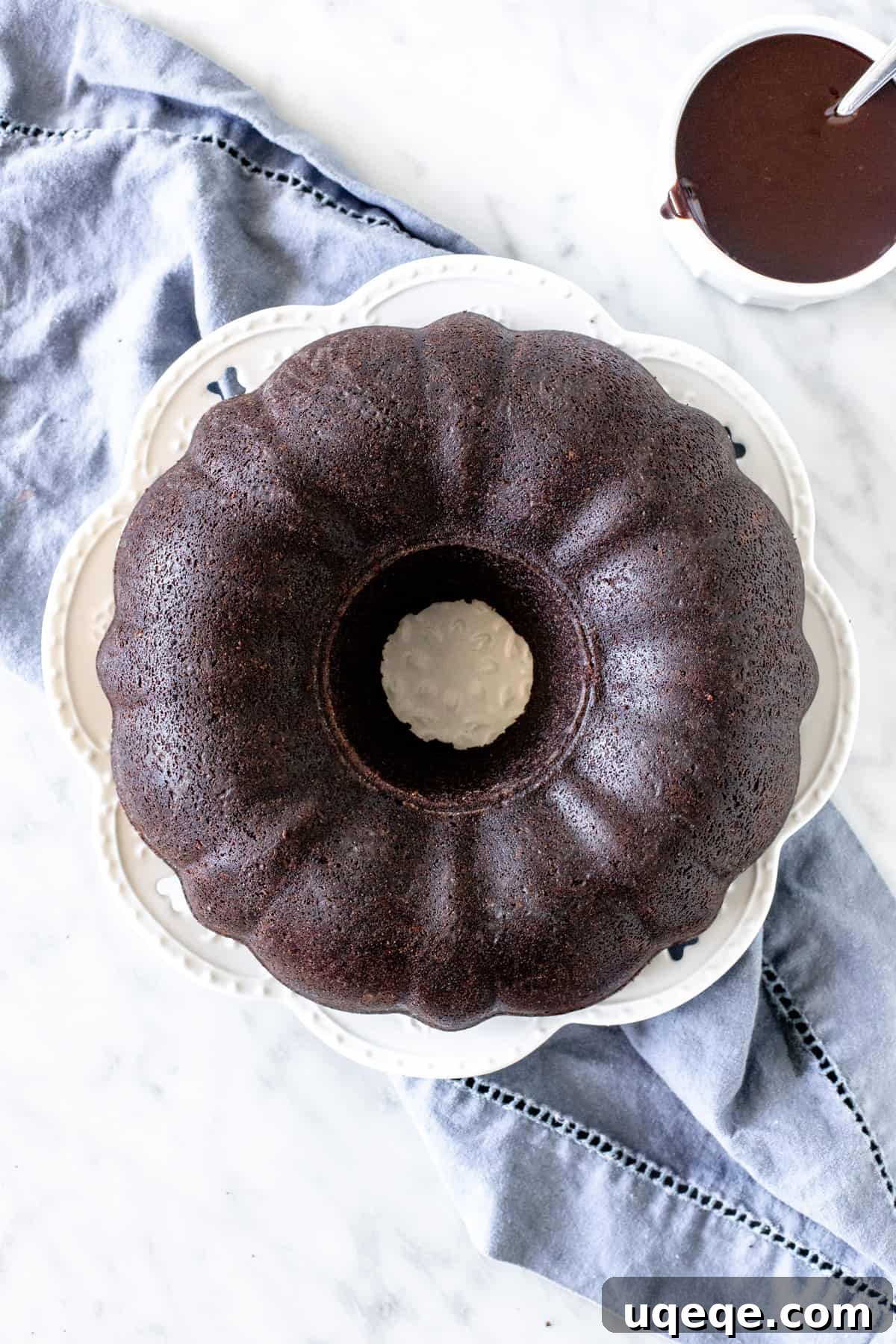
- Proper Cooling: Do not rush the cooling process. Allow the cake to cool in the bundt pan for at least 20-30 minutes. This allows the cake to set and firm up, making it less prone to breaking when inverted. After this initial cooling, carefully invert the cake onto a wire rack to cool completely. Cooling on a rack ensures air circulation, preventing a soggy bottom.
Serving Suggestions for Your Chocolate Pound Cake
This chocolate pound cake is incredibly versatile and shines in many serving capacities. Its rich, buttery flavor and moist texture make it delightful on its own, but here are some ideas to elevate your dessert experience:
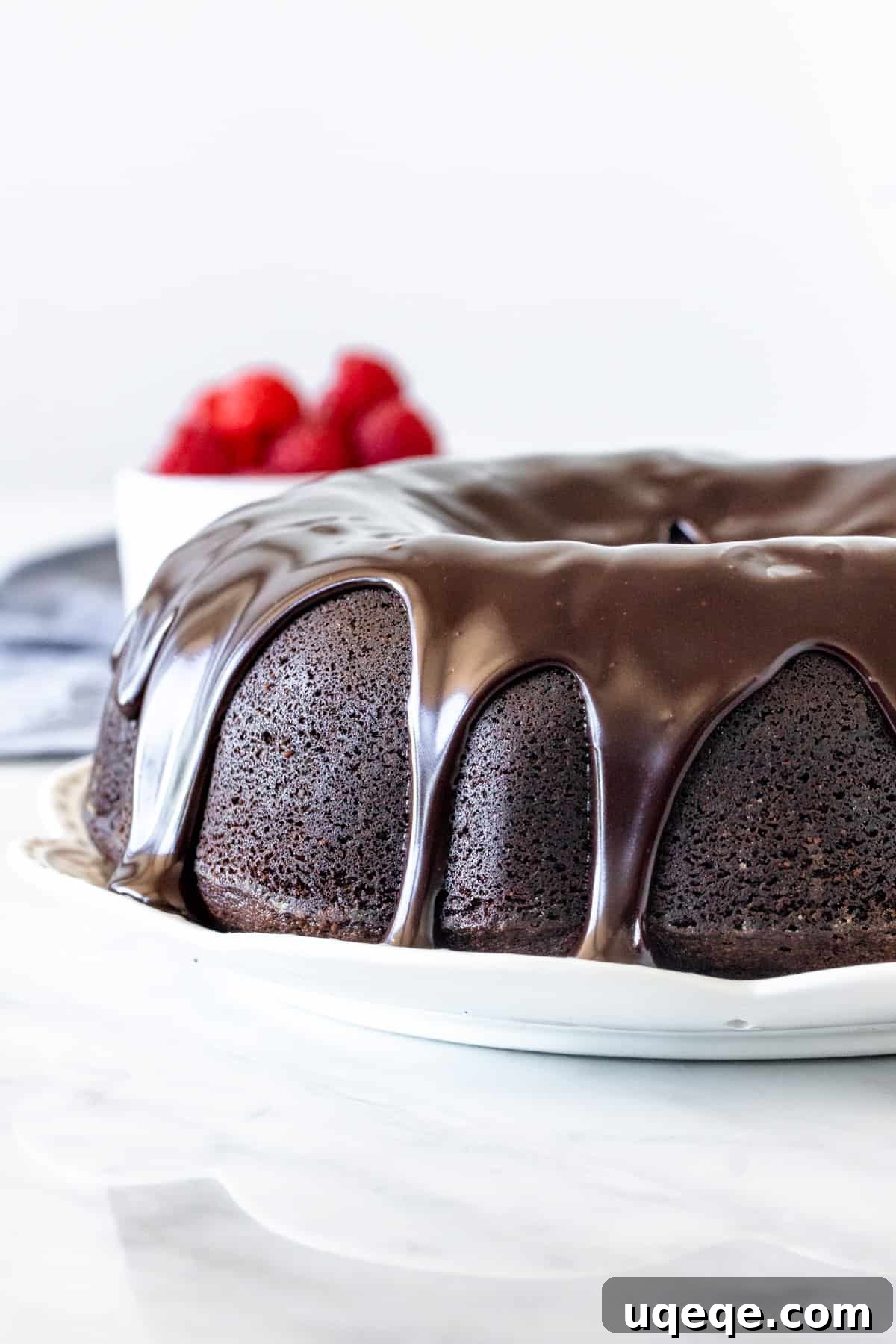
- Classic Chocolate Ganache: A simple yet elegant chocolate ganache drizzled over the cooled cake adds an extra layer of chocolatey richness and a beautiful glossy finish. This is highly recommended for a truly decadent treat.
- Fresh Berries and Whipped Cream: The tartness of fresh raspberries, strawberries, or cherries provides a wonderful counterpoint to the cake’s richness. A dollop of lightly sweetened whipped cream adds a delicate, airy contrast.
- Ice Cream: A scoop of vanilla bean, coffee, or even mint chip ice cream alongside a slice of warm (or room-temperature) pound cake is pure bliss.
- Dust with Powdered Sugar: For a minimalist yet sophisticated presentation, simply dust the cooled cake with a light layer of confectioners’ sugar.
- Fruit Compote: A warm berry or cherry compote can add a lovely fruity sweetness and soft texture.
- Coffee or Tea Pairing: Its dense texture and rich flavor make it a perfect companion for a cup of strong coffee, espresso, or a soothing herbal tea.
Storage and Freezing Tips
Proper storage ensures your chocolate pound cake remains delicious for days. If you find yourself with leftovers (which is unlikely!), here’s how to keep it fresh:
- Room Temperature: Store the cake in an airtight container at room temperature for up to 3 days. If it’s glazed, the ganache will set, protecting the cake.
- Refrigerator: For longer storage, transfer the cake to an airtight container and refrigerate for up to 5 days. Before serving, bring it back to room temperature for the best flavor and texture.
- Freezing: This cake freezes exceptionally well, especially without the ganache.
- Allow the cake to cool completely.
- Wrap the entire cake (or individual slices) tightly in plastic wrap, then an additional layer of aluminum foil.
- Place in a freezer-safe bag or container.
- Freeze for up to 2 months.
- To thaw, transfer the wrapped cake to the refrigerator overnight, then bring to room temperature before serving. If desired, prepare and drizzle ganache after thawing.
Common Pound Cake Troubleshooting
Even experienced bakers can encounter issues. Here’s a quick guide to common pound cake problems and how to avoid them:
- Cake is Dry:
- Cause: Overmixing flour, too much flour (incorrect measurement), overbaking.
- Solution: Measure flour accurately (spoon & level or scale), mix only until just combined, use a lower oven temperature and bake only until a toothpick comes out clean. Ensure ingredients are at room temperature.
- Cake is Crumbly:
- Cause: Too much flour, not enough fat or liquid, ingredients not properly emulsified.
- Solution: Check flour measurement, ensure butter, eggs, and sour cream are at room temperature and properly creamed/mixed.
- Cake Sinks in the Middle:
- Cause: Oven door opened too soon, underbaked, too much leavening, ingredients not at room temperature.
- Solution: Do not open the oven door for at least the first 2/3 of the baking time. Ensure cake is fully baked (clean toothpick test). Confirm correct measurements for baking soda.
- Cake Sticks to the Pan:
- Cause: Pan not adequately greased and floured/cocoa-dusted, cake not cooled long enough in the pan.
- Solution: Thoroughly grease and cocoa-dust every crevice of the bundt pan. Allow cake to cool in the pan for the recommended time (20-30 minutes) before inverting.
- Uneven Texture or Lumps:
- Cause: Ingredients not at room temperature, insufficient scraping of the bowl, not beating eggs one at a time.
- Solution: Ensure all ingredients are at room temperature. Scrape the bowl frequently. Add eggs individually, beating thoroughly after each.
Chocolate Pound Cake
Fiona Dowling
This chocolate pound cake is moist and buttery with a delicious chocolate flavor. It’s perfect in its simplicity, but looks dinner party ready with a drizzle of chocolate ganache.
25 mins
1 hr 15 mins
1 hr 40 mins
14 pieces
Rate Recipe
Print Recipe
Equipment
- 12-cup bundt pan (mine is 10.5 inches in diameter and 4 inches deep)
Ingredients
Chocolate Bundt Cake
- 1 cup unsalted butter (226 grams), room temperature
- 3 cups superfine sugar (600 grams), caster sugar works well
- 5 large eggs, room temperature
- 1 cup cocoa powder (80 grams), Dutch process recommended
- 2 cups all-purpose flour (250 grams), AKA plain flour (measure by spoon & level method or scale)
- 1/2 teaspoon baking soda
- 1/2 teaspoon salt
- 1 cup sour cream (240 ml), 18% MF recommended, room temperature
- 2 teaspoons instant coffee powder (optional, but recommended for enhancing chocolate flavor)
- 2/3 cup boiling water (160 ml)
Chocolate Ganache
- 4 ounces dark chocolate (113 grams), I used 50%, but semi-sweet will work too, finely chopped
- 1/2 cup whipping cream (120 ml)
Instructions
Chocolate Bundt Cake
- Preheat the oven to 325 F (160 C).
- Grease a 12-cup, non-stick bundt pan very well and dust thoroughly with cocoa powder. Be sure that all ridges and creases are completely covered to prevent sticking.
- In a large bowl, whisk together the measured flour, cocoa powder, baking soda, and salt. Set aside.
- In a very large mixing bowl, beat the room-temperature butter and superfine sugar together on medium-high speed until the mixture is light, pale, and fluffy. This important step should take around 5 minutes, ensuring air is incorporated.
- Beat in the room-temperature eggs one at a time, ensuring each egg is fully incorporated before adding the next. Stop the mixer and scrape down the sides and bottom of the bowl a few times throughout this process to ensure even mixing.
- With the mixer on low speed, gradually beat in about half of the dry flour mixture, followed by the room-temperature sour cream. Once combined, beat in the remaining flour mixture until just incorporated. Be careful not to overmix.
- In a separate small bowl, add the instant coffee powder to the boiling water and stir until dissolved.
- Very carefully and slowly mix the hot coffee mixture into the cake batter on low speed until just combined. The batter will be thin, this is normal.
- Spoon the prepared cake batter evenly into the thoroughly greased and cocoa-dusted bundt pan and smooth the top.
- Bake in the preheated oven for 65-75 minutes, or until a wooden skewer or toothpick inserted into the deepest part of the cake comes out clean or with only a few dry crumbs clinging to it. You may observe a large crack forming around the top surface of the cake; this is a normal characteristic of pound cakes.
- Remove the cake from the oven. Allow it to cool in the bundt pan for at least 30 minutes before attempting to unmold it. This crucial step allows the cake to firm up. Then, very carefully invert the pan onto a wire rack and continue cooling completely before glazing or slicing.
Chocolate Ganache
- Chop the dark chocolate into very fine, even pieces and place them in a heatproof bowl.
- Heat the whipping cream in a small saucepan or microwave-safe bowl until it is almost boiling (small bubbles will form around the edges).
- Pour the hot cream over the chopped chocolate and let it sit undisturbed for about 3-5 minutes. This allows the heat from the cream to melt the chocolate.
- After 3-5 minutes, gently whisk the mixture from the center outwards until it is completely smooth and glossy. If any chocolate pieces remain unmelted, you can microwave the mixture for 15-20 second intervals on low power, stirring after each, until smooth.
- Once the ganache has cooled slightly to a pourable consistency, transfer the fully cooled cake to your desired serving plate. Drizzle or pour the ganache over the cake, allowing it to drip down the sides for an attractive finish.
Notes
- Bundt Pan Capacity: It is essential to use a 12-cup capacity bundt pan (or larger). A smaller pan will not accommodate the amount of batter, leading to overflow during baking.
- Room Temperature Ingredients: For optimal results, ensure your butter, eggs, and sour cream are at true room temperature (around 68-72°F / 20-22°C) before you begin mixing. This typically requires removing them from the refrigerator about 30-60 minutes prior. The butter should be soft enough to indent with your finger but not melted.
- Storage Guidelines:
- Room Temperature: Store the chocolate pound cake in an airtight container at room temperature for up to 3 days.
- Refrigerator: For extended freshness, store in an airtight container in the refrigerator for up to 5 days. For the best flavor and texture, allow the cake to come to room temperature before serving.
- Freezing (without ganache): This cake freezes beautifully. Once completely cooled, wrap the cake tightly in plastic wrap, then an additional layer of aluminum foil. It can be frozen for up to 2 months. Thaw overnight in the refrigerator, then bring to room temperature before enjoying.
- Nutrition Information: Please note that the nutrition information provided is an estimate only. It is based on a single slice, assuming the entire cake is divided into 14 equal pieces and includes the chocolate ganache. Actual values may vary depending on specific ingredients and serving sizes.
Nutrition
- Calories: 469 kcal
- Carbohydrates: 58g
- Protein: 7g
- Fat: 26g
- Saturated Fat: 15g
- Polyunsaturated Fat: 1g
- Monounsaturated Fat: 7g
- Trans Fat: 1g
- Cholesterol: 122mg
- Sodium: 169mg
- Potassium: 234mg
- Fiber: 3g
- Sugar: 38g
- Vitamin A: 732IU
- Vitamin C: 1mg
- Calcium: 55mg
- Iron: 3mg
More Irresistible Chocolate Cake Recipes
If your love for chocolate cakes knows no bounds, be sure to explore these other fantastic recipes from our collection:
- Chocolate Mud Cake – For those who crave an intensely fudgy and dense chocolate experience.
- Ultimate Double Chocolate Cupcakes – Perfect individual servings of rich, chocolatey goodness.
- Quick Chocolate Mug Cake – A single-serving delight that’s ready in minutes, ideal for sudden cravings.
Loved this recipe? Please take a moment to rate it and share your thoughts in the comments below! Your feedback helps us create more delicious content.