
Mastering Swiss Meringue Buttercream: Your Guide to Silky Smooth Frosting
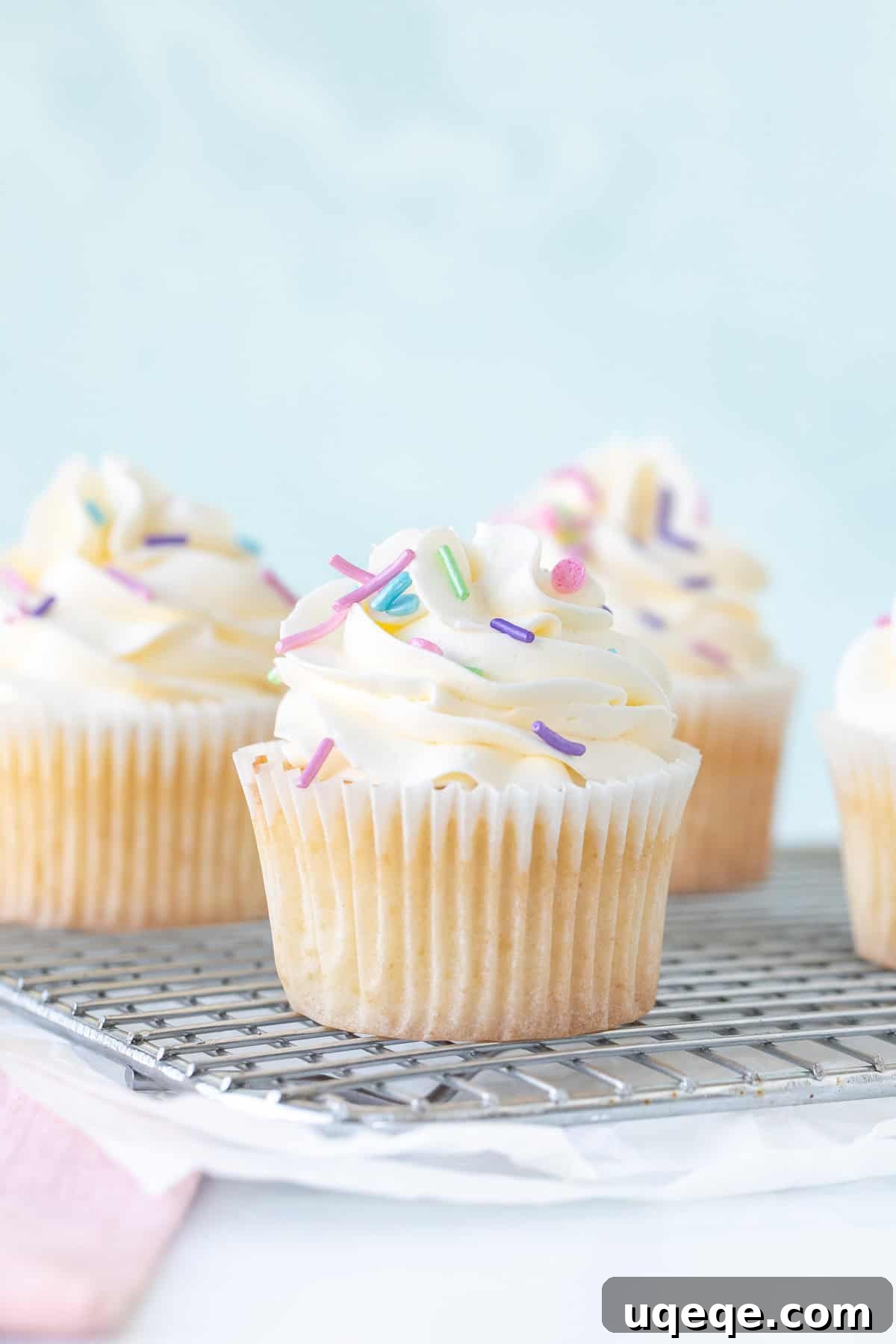
Swiss meringue buttercream (SMB) is celebrated for its incredibly smooth, stable, and less-sweet profile, making it a favorite among bakers for decorating cakes and cupcakes. This elegant frosting boasts a surprisingly light texture yet holds its shape beautifully, allowing for intricate piping and stunning finishes. If you’ve ever dreamt of creating a frosting that’s both exquisite and easy to work with, you’ve come to the right place. Dive into our comprehensive guide to learn all the essential tips and tricks for crafting perfect Swiss meringue buttercream!
What Exactly is Swiss Meringue Buttercream?
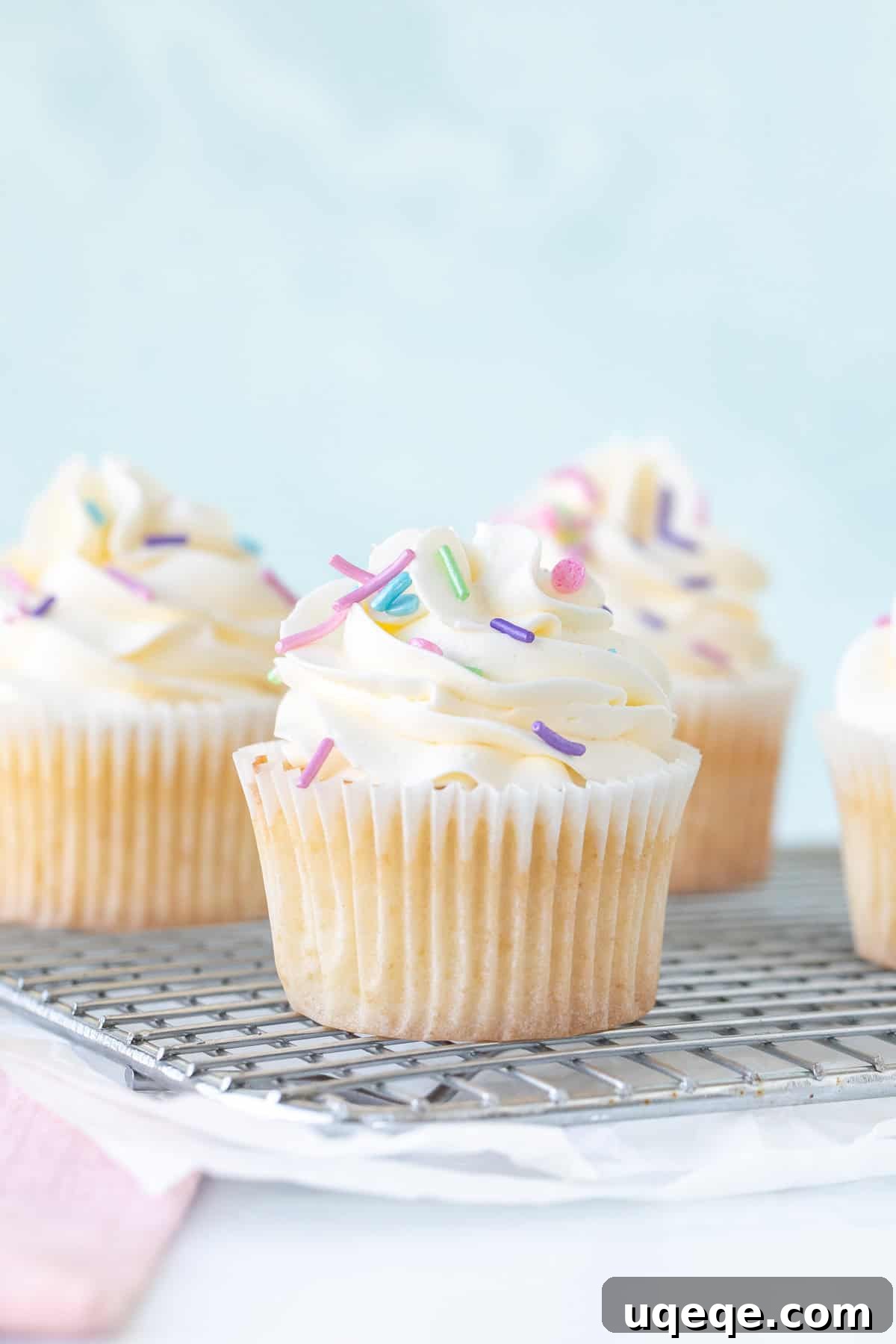
At its heart, Swiss meringue buttercream is an exquisite frosting crafted from a simple combination of egg whites, granulated sugar, butter, and flavorings. What sets it apart is the unique method of preparation. Unlike other buttercreams, the egg whites and sugar are gently heated over a double boiler until the sugar completely dissolves and the mixture reaches a safe temperature. This cooked mixture is then whipped vigorously into a glossy, stiff-peaked meringue. Finally, softened butter and chosen flavorings are gradually incorporated, transforming the meringue into a rich, velvety buttercream.
The result is a light, airy, and remarkably smooth frosting that pipes beautifully, holds sharp details, and possesses a subtle sweetness that never overwhelms. Its elegant, almost translucent sheen makes it a top choice for professional and home bakers aiming for a sophisticated finish on their desserts. It truly is like a delicate cloud of frosting, perfect for any special occasion.
Rest assured, Swiss meringue buttercream is perfectly safe to eat, as the initial heating process ensures the egg whites reach a temperature of 160°F (70°C), effectively pasteurizing them.
Swiss Meringue vs. American Buttercream: A Sweet Comparison
Understanding the differences between frosting types can help you choose the best option for your baking project. American buttercream, often referred to as traditional buttercream, is primarily made from butter, powdered sugar, milk or cream, and flavorings. It’s known for its incredibly rich, dense, and distinctly sweet profile, making it a quick and easy option for many bakers. However, its high sugar content can sometimes be overpowering, and its texture tends to be heavier.
In stark contrast, Swiss meringue buttercream offers a lighter, silkier, and significantly less sweet experience. Its smooth, almost airy texture and elegant finish are unmatched by its American counterpart. While the process of making SMB is more involved and requires careful attention to detail and temperature, the superior taste and texture are well worth the effort. It produces a stable, pliable frosting that’s perfect for delicate piping work and smooth finishes, giving your cakes and cupcakes a truly professional touch.
If you’re pressed for time and need a quick, sweet frosting, a classic American-style vanilla frosting or chocolate frosting might be your go-to. But for those who crave a creamy, glossy, and beautifully balanced buttercream that’s light as a cloud, then embracing the art of Swiss meringue buttercream is an absolute must. Prepare to elevate your baking!
Why Choose Swiss Meringue Buttercream? The Benefits
Beyond its luxurious taste and texture, Swiss meringue buttercream offers several advantages that make it a preferred choice for many bakers:
- Less Sweet: It’s famously less sweet than American buttercream, allowing other flavors to shine through and appealing to those who prefer a more balanced dessert.
- Silky Smooth Texture: Its velvety consistency melts in your mouth, providing a delightful sensory experience without any graininess.
- Exceptional Stability: SMB is remarkably stable at room temperature and in warmer climates compared to other buttercreams. This makes it ideal for elaborate cake designs, piping flowers, and tiered cakes that need to hold their shape for extended periods.
- Pipes Beautifully: The smooth, pliable nature of Swiss meringue buttercream allows for sharp edges, intricate details, and a variety of piping techniques, giving your creations a polished, professional appearance.
- Versatile for Flavoring: Its neutral base makes it an excellent canvas for a wide range of flavors, from rich chocolates and fruit purées to delicate extracts.
- Elegant Finish: SMB has a beautiful sheen that gives cakes and cupcakes a sophisticated, high-end look.
Essential Tools and Ingredients for Success
Before you begin, gather your tools and ingredients to ensure a smooth baking process. Having everything ready will make a significant difference in your success.
Key Equipment:
- Stand Mixer with Whisk and Paddle Attachments: While possible with a hand mixer, a stand mixer is highly recommended for consistent results and ease of use.
- Heatproof Bowl (for Double Boiler): This can be the metal bowl of your stand mixer or another sturdy heatproof bowl that fits snugly over a saucepan without touching the water.
- Medium Saucepan: For creating the double boiler.
- Instant-Read Thermometer: Crucial for ensuring the egg white and sugar mixture reaches the correct temperature for safety and proper meringue formation.
- Rubber Spatula: For scraping down the bowl.
- Clean Bowls and Utensils: Absolutely critical! Any trace of grease can prevent your meringue from forming.
Ingredients You’ll Need:
- Large Egg Whites: Use fresh, large eggs. Separate them carefully to avoid any yolk getting into the whites.
- Granulated Sugar: Standard white sugar is perfect for dissolving evenly.
- Unsalted Butter: Good quality unsalted butter is key. It should be softened to room temperature, but still slightly firm, not greasy or melted.
- Vanilla Extract: Pure vanilla extract provides a classic flavor, but you can experiment with others.
- Salt: A pinch of salt balances the sweetness and enhances flavor.
How to Make Swiss Meringue Buttercream Frosting: A Detailed Guide
While the simplified recipe is listed below, mastering Swiss meringue buttercream benefits from understanding each step and the transformations the mixture undergoes. Pay close attention to these explanations and tips for a truly perfect frosting.
Preparation is Key:
- Cleanliness First: Before you even crack an egg, thoroughly wipe down your stand mixer bowl and whisk attachment with a paper towel dampened with a little white vinegar or lemon juice. This step is vital for removing any invisible traces of grease or oil that could prevent your meringue from whipping up properly. Ensure all equipment is completely dry before proceeding.
- Separate Eggs Carefully: Separate the egg whites from the yolks. This is often easiest when eggs are cold. Take extra care to ensure not even a speck of yolk gets into the whites, as fat will inhibit meringue formation. Allow the separated egg whites to come to room temperature for about 20-30 minutes, as they whip better when not too cold.
Creating the Meringue Base:
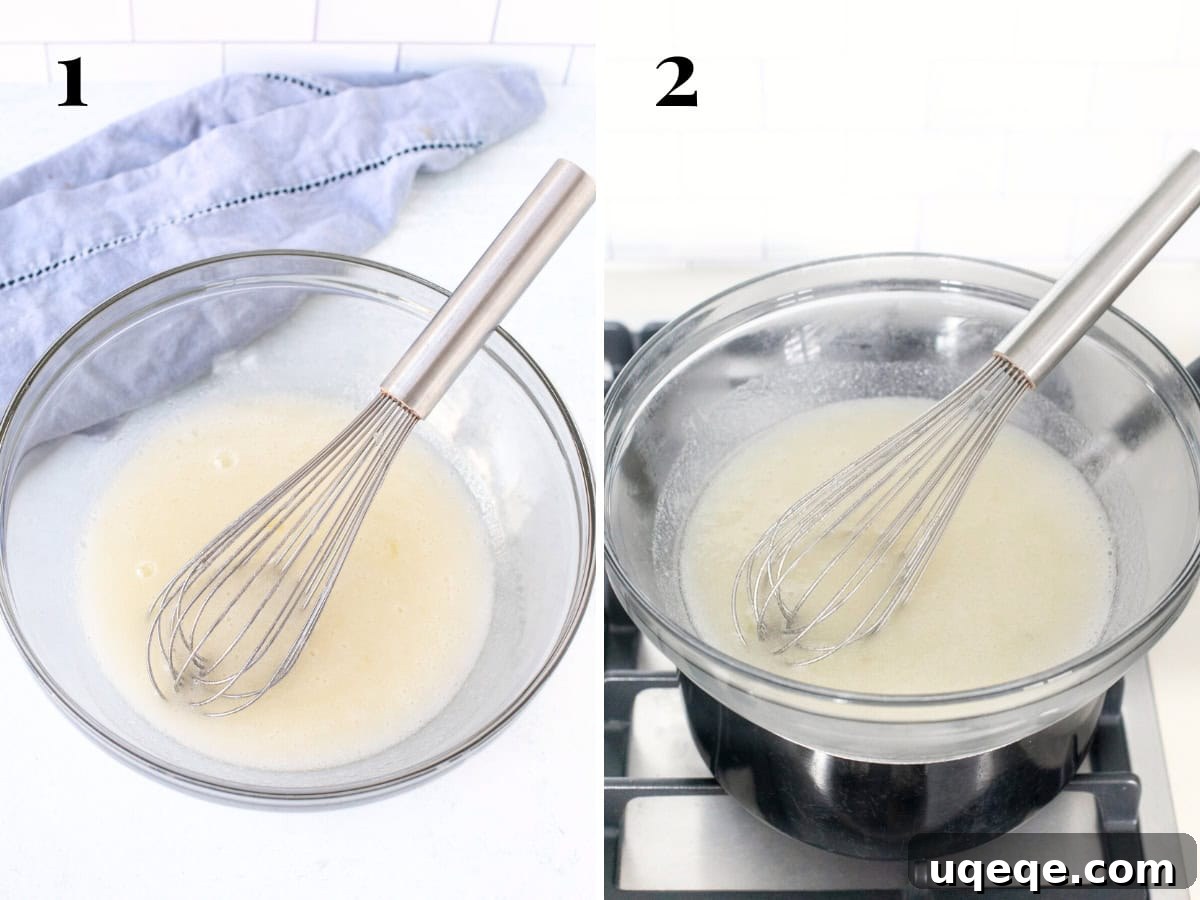
- Combine Egg Whites and Sugar: In your clean, heatproof bowl (the stand mixer bowl is perfect for this), whisk together the room-temperature egg whites and granulated sugar. Just whisk until broadly combined, removing any large lumps of sugar.
- The Double Boiler Method: Place the bowl over a saucepan containing about 1-2 inches of gently simmering water. Ensure the bottom of the bowl does NOT touch the water. The heat from the steam will gently warm the mixture. Keep the burner on low to low-medium heat; you want a gentle simmer, not a rolling boil. Continuously whisk the egg white and sugar mixture for approximately 4-6 minutes. The goal is to dissolve all the sugar crystals and safely pasteurize the egg whites. The mixture should reach 160°F (70°C) on an instant-read thermometer. Alternatively, rub a small amount of the mixture between your thumb and forefinger; if it feels completely smooth with no grittiness, the sugar is dissolved.
Whipping the Meringue:
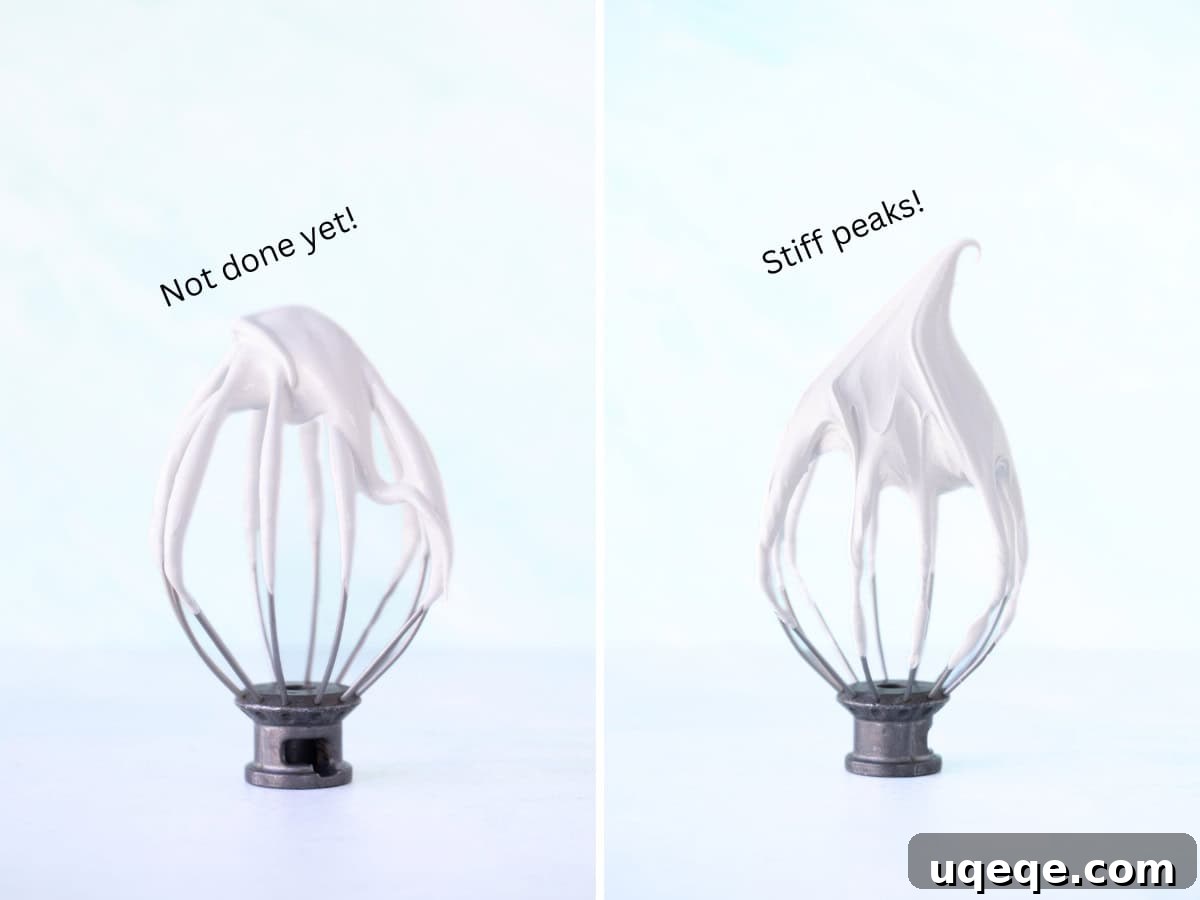
- Whip to Stiff, Glossy Peaks: Carefully remove the bowl from the double boiler. Attach the whisk attachment to your stand mixer. Begin beating the warm meringue mixture on low speed, gradually increasing to medium-high speed. Whip consistently for 10 to 20 minutes (the exact time varies based on your mixer and humidity). The meringue should transform into a thick, white, and glossy mixture that forms stiff peaks. When you lift the whisk, the meringue should stand straight up without drooping. If it’s still soft or drizzles off the whisk, continue whipping. Humidity can significantly extend whipping time, so be patient!
Incorporating the Butter:
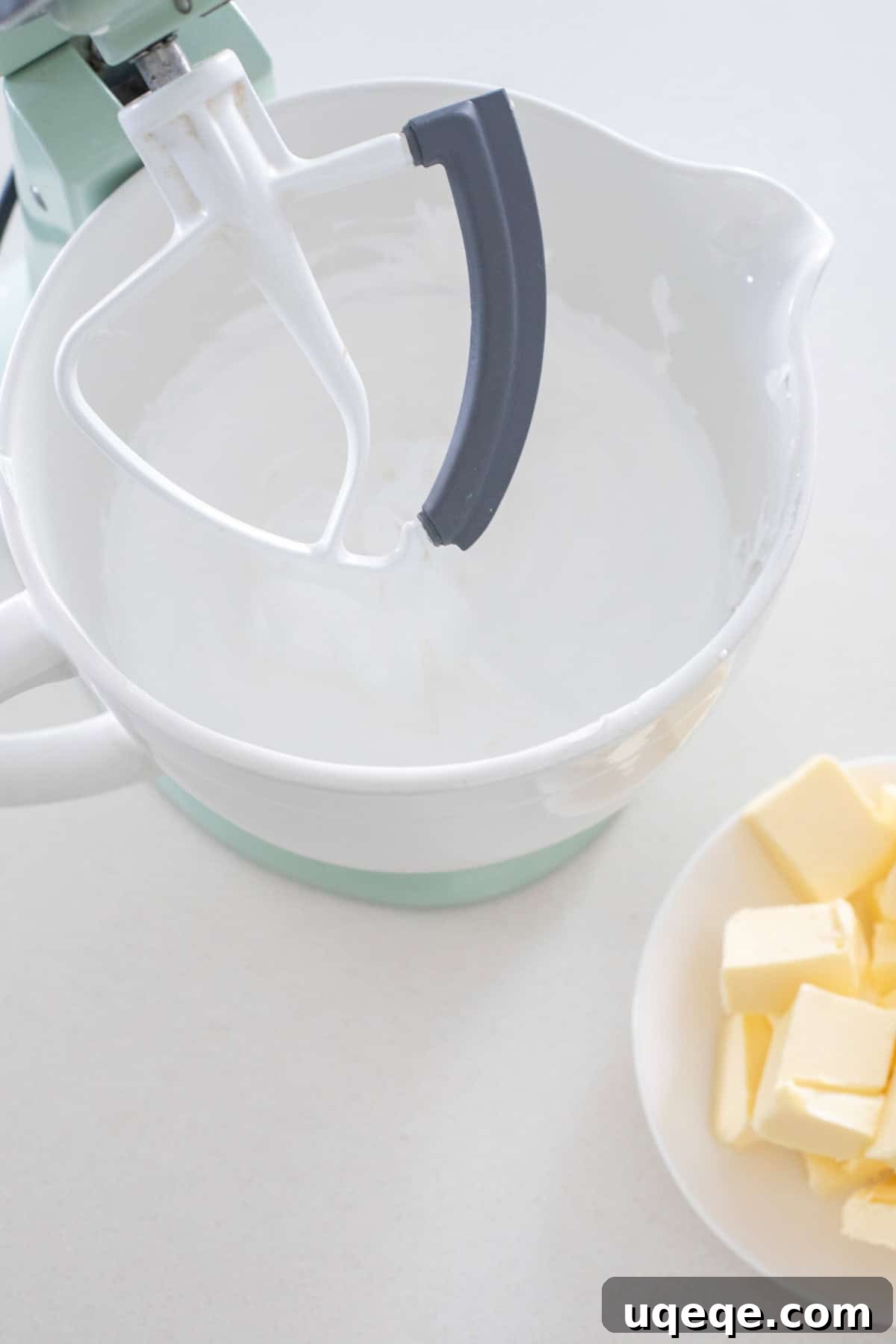
- Cool the Meringue: Before adding butter, it is absolutely crucial that the meringue and the bowl are at room temperature or slightly cool to the touch. If they are still warm, the butter will melt, resulting in a soupy buttercream. If necessary, place the bowl in the refrigerator for about 10-15 minutes, stirring occasionally, until cooled.
- Add Softened Butter Gradually: Once the meringue is cool, switch from the whisk attachment to the paddle attachment. With the mixer on low speed, begin adding the room-temperature butter, one to two tablespoons at a time. Your butter should be softened but still slightly firm, not greasy or melted. Wait until each piece of butter is mostly incorporated before adding the next. The mixture might look curdled or soupy initially – this is completely normal! Keep mixing.
Final Touches:
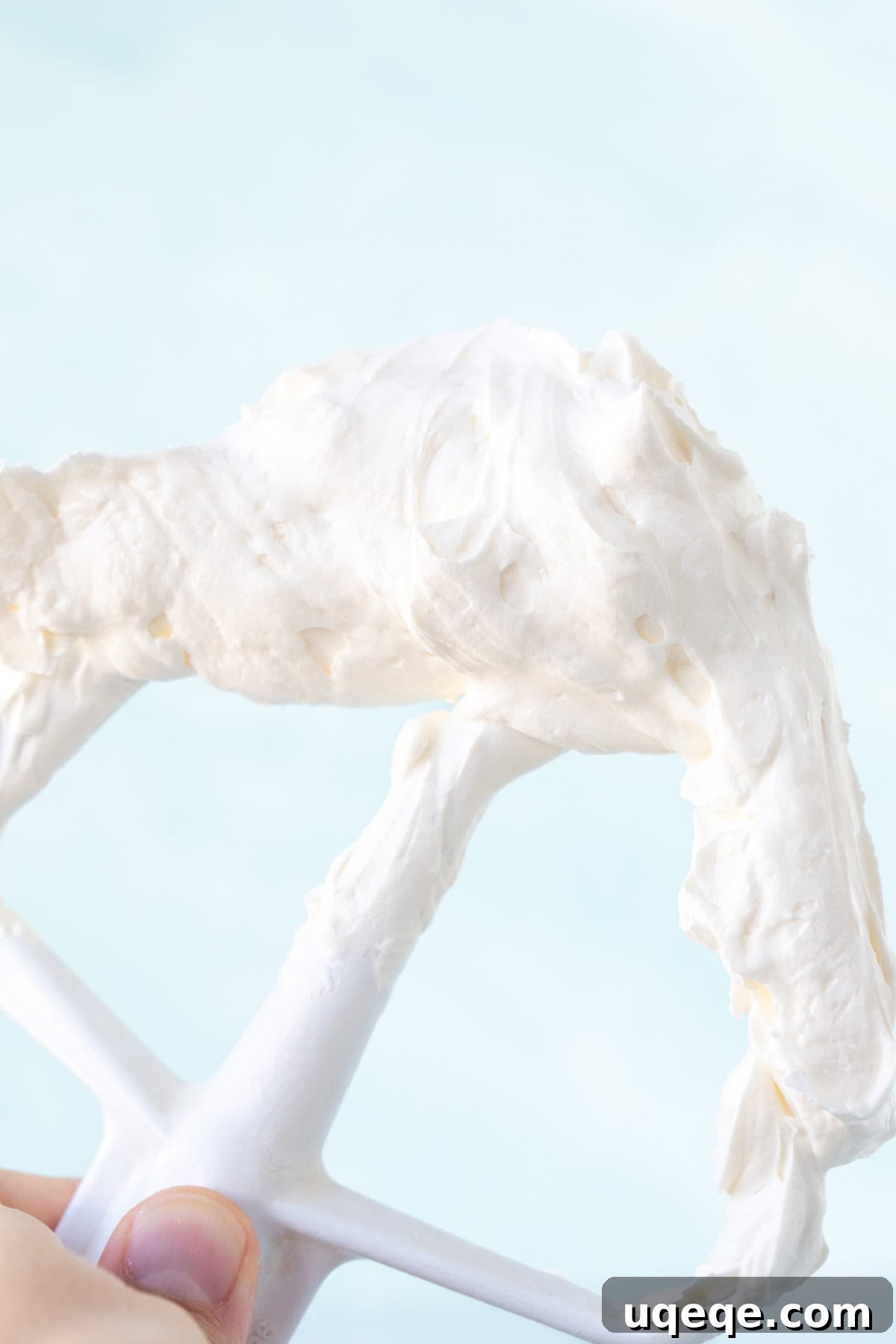
Continue beating on medium speed until the buttercream comes together, becoming smooth, glossy, and light. This can take another 5-10 minutes. Finally, mix in the salt and vanilla extract until well combined. Scrape down the sides of the bowl as needed to ensure everything is evenly incorporated.
Troubleshooting Common Swiss Meringue Buttercream Issues
Don’t be discouraged if your Swiss meringue buttercream doesn’t come out perfectly on the first try. It can be a bit finicky, but most issues have simple fixes. Here are the most common problems and how to resolve them:
-
If Your Buttercream is Too Thin and Soupy:
- Cause 1: Meringue not whipped enough. If your meringue didn’t reach stiff peaks before adding the butter, it won’t have enough structure to hold the butter. Unfortunately, if you’ve already added the butter, it’s very difficult to salvage. Ensure your meringue is consistently stiff and glossy.
- Cause 2: Meringue or bowl was too warm. Adding butter to a warm meringue or a warm bowl will melt the butter, leading to a soupy consistency.
- Fix: Place the entire bowl of soupy buttercream into the refrigerator for 10-15 minutes (or until the mixture feels cool to the touch). Then, return it to the mixer and beat with the paddle attachment on medium speed until it emulsifies and becomes creamy again. You may need to repeat this chilling and mixing process a few times.
- Cause 3: Butter too soft/melted. If your butter was too warm or greasy to begin with, it will contribute to a soupy frosting.
-
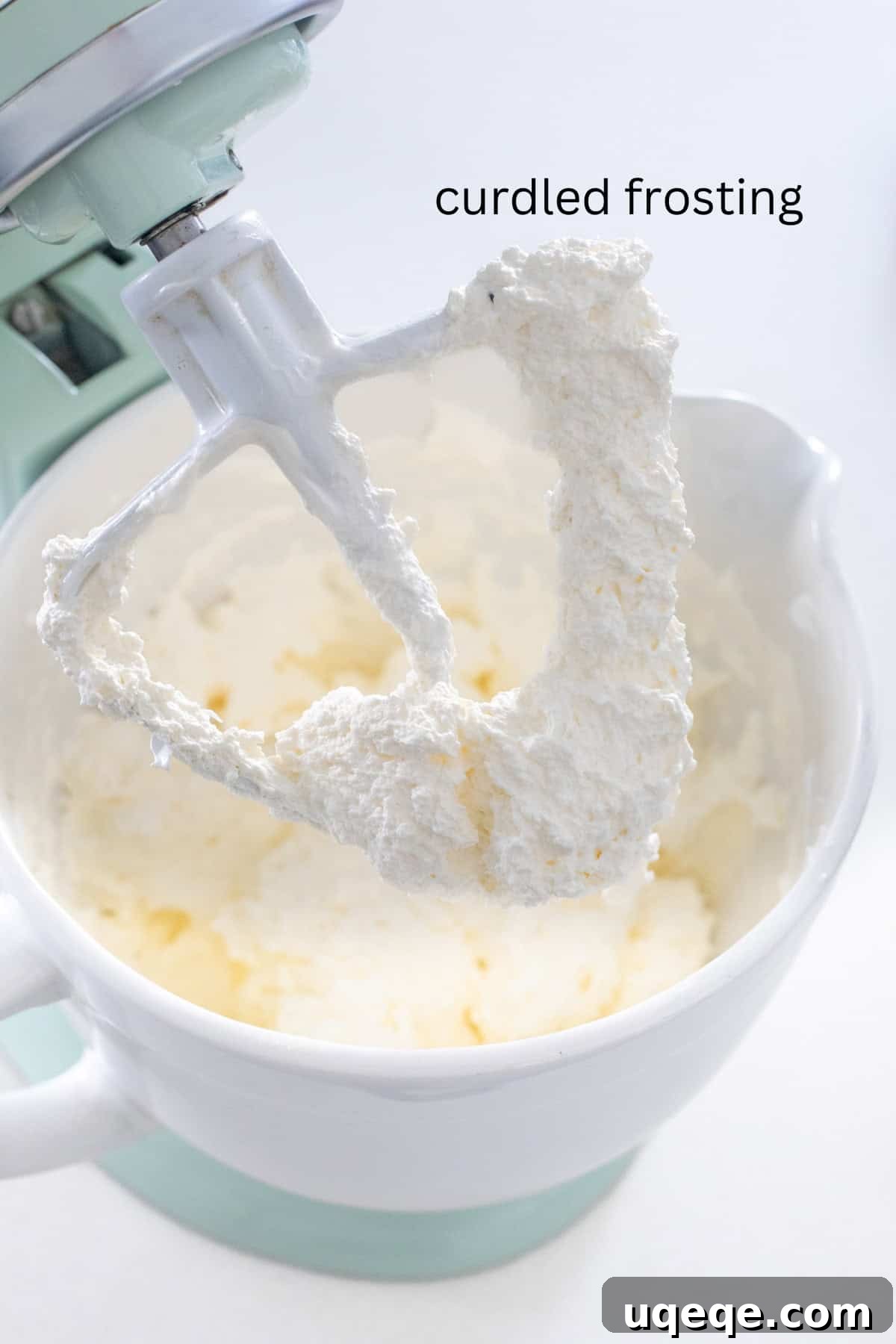
Your Buttercream Starts to Curdle (Looks like Cottage Cheese):
- This is perhaps the most common (and alarming-looking) issue, but it has a very simple fix! It often happens when the butter and meringue are at slightly different temperatures, or the fat separates from the meringue.
- Fix: Don’t panic! Remove about 1 cup of the curdled buttercream from the mixer bowl and place it in a heatproof bowl. Gently heat this portion over a double boiler (or in the microwave for 10-15 seconds) until it’s slightly melted and warm, but not hot. Return the slightly melted buttercream to the main batch in the mixer bowl. Beat the entire mixture on medium-high speed with the paddle attachment. It will likely look worse before it gets better, but within a few minutes, it should come together into a smooth, emulsified buttercream. If it’s still curdled, repeat the process with another small portion. This re-emulsification process is almost always necessary for me.
-
Your Frosting is Grainy:
- Cause: Sugar not fully dissolved. This issue occurs if the sugar crystals weren’t completely melted when the egg white and sugar mixture was heated over the double boiler.
- Fix: Unfortunately, a grainy buttercream is hard to fix once the butter is added. The best solution is prevention. Always ensure you thoroughly rub the warm meringue mixture between your fingers multiple times to confirm that all sugar granules have completely dissolved before whipping. Using a thermometer to reach 160°F (70°C) also helps ensure adequate heating.
Adding Flavorings to Swiss Meringue Buttercream
One of the joys of Swiss meringue buttercream is its versatility when it comes to flavor. Since the base frosting is not overly sweet, you can achieve vibrant flavors without them being drowned out by sugar. Always add flavorings after the butter has been fully incorporated and the buttercream is smooth and glossy. Start with a smaller amount and add more to taste.
- Caramel Swiss Meringue Frosting: After the butter is mixed in, add about 1 cup of thick, cooled salted caramel sauce. Beat on low speed until fully combined and smooth.
- Chocolate Swiss Meringue Frosting: Melt 1 cup (approximately 160 grams) of good quality semi-sweet or 50-60% dark chocolate. Let it cool completely to room temperature (but still liquid) before slowly beating it into the finished buttercream.
- Coffee Swiss Meringue Frosting: Dissolve 1-2 tablespoons of instant espresso powder or strong instant coffee powder in the smallest amount of boiling water (just enough to dissolve). Cool this mixture completely in the fridge before beating it into the frosting.
- Fruit Puree Swiss Meringue Frosting: For flavors like raspberry, strawberry, or passion fruit, reduce about 1/2 to 1 cup of fruit puree until very thick and concentrated. Cool completely, then slowly beat it into the finished buttercream.
- Mint, Almond, Lemon, or Orange Swiss Meringue Frosting: Add 1-3 teaspoons of your preferred extract (peppermint, almond, lemon, orange, etc.). Omit or reduce vanilla extract if using another prominent extract. Add gradually, tasting as you go, to achieve your desired intensity.
Storage & Freezing Guidelines
Proper storage is essential to maintain the quality and freshness of your Swiss meringue buttercream. Follow these guidelines for optimal results:
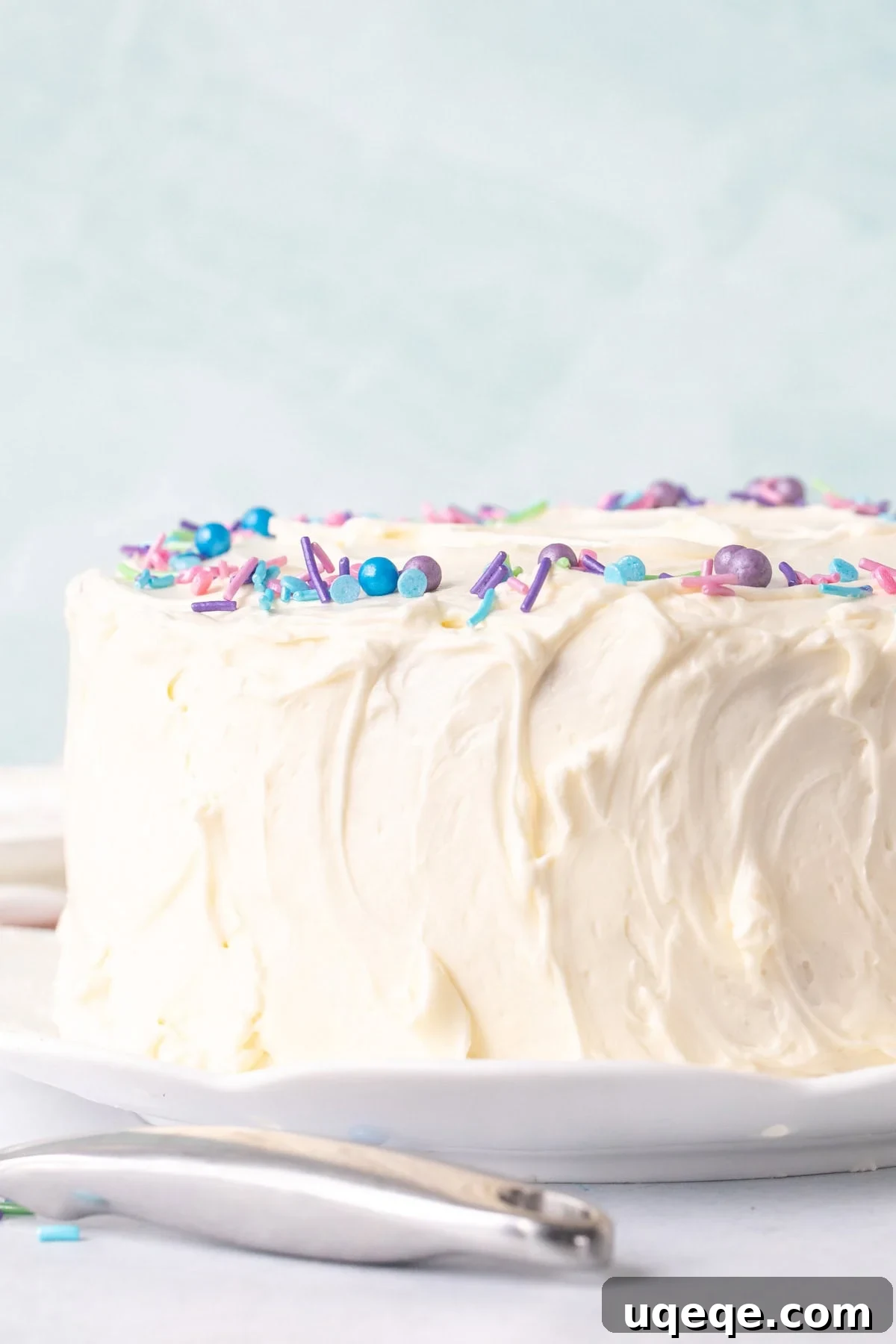
- Frosted Baked Goods: Cakes and cupcakes frosted with SMB can be stored covered at room temperature for up to 1 day. However, if you live in a warm, humid environment, or if your kitchen is particularly warm, it’s best to store them in the refrigerator to prevent melting.
- Unused Frosting (Refrigerator): Freshly made Swiss meringue buttercream can be stored in an airtight container in the refrigerator for up to 5 days. Before using, allow it to come to room temperature (this might take 30-60 minutes on the counter). Once at room temperature, re-whip it on low speed with the paddle attachment until it becomes smooth and pliable again. If it appears curdled, follow the troubleshooting steps above (gently warm a small portion and re-whip).
- Unused Frosting (Freezer): For longer storage, Swiss meringue buttercream freezes exceptionally well. Store it in an airtight, freezer-safe container for up to 2 months. To use, thaw the buttercream in the refrigerator overnight. Then, bring it to room temperature on the counter for about 30 minutes, and re-whip as described for refrigerated frosting.
Expert Tips for Swiss Meringue Buttercream Success
Achieving perfect Swiss meringue buttercream consistently relies on a few key practices:
- Absolute Cleanliness: Reiterating this point because it’s paramount. Any grease on your bowl, whisk, or even from egg yolks can prevent your meringue from whipping.
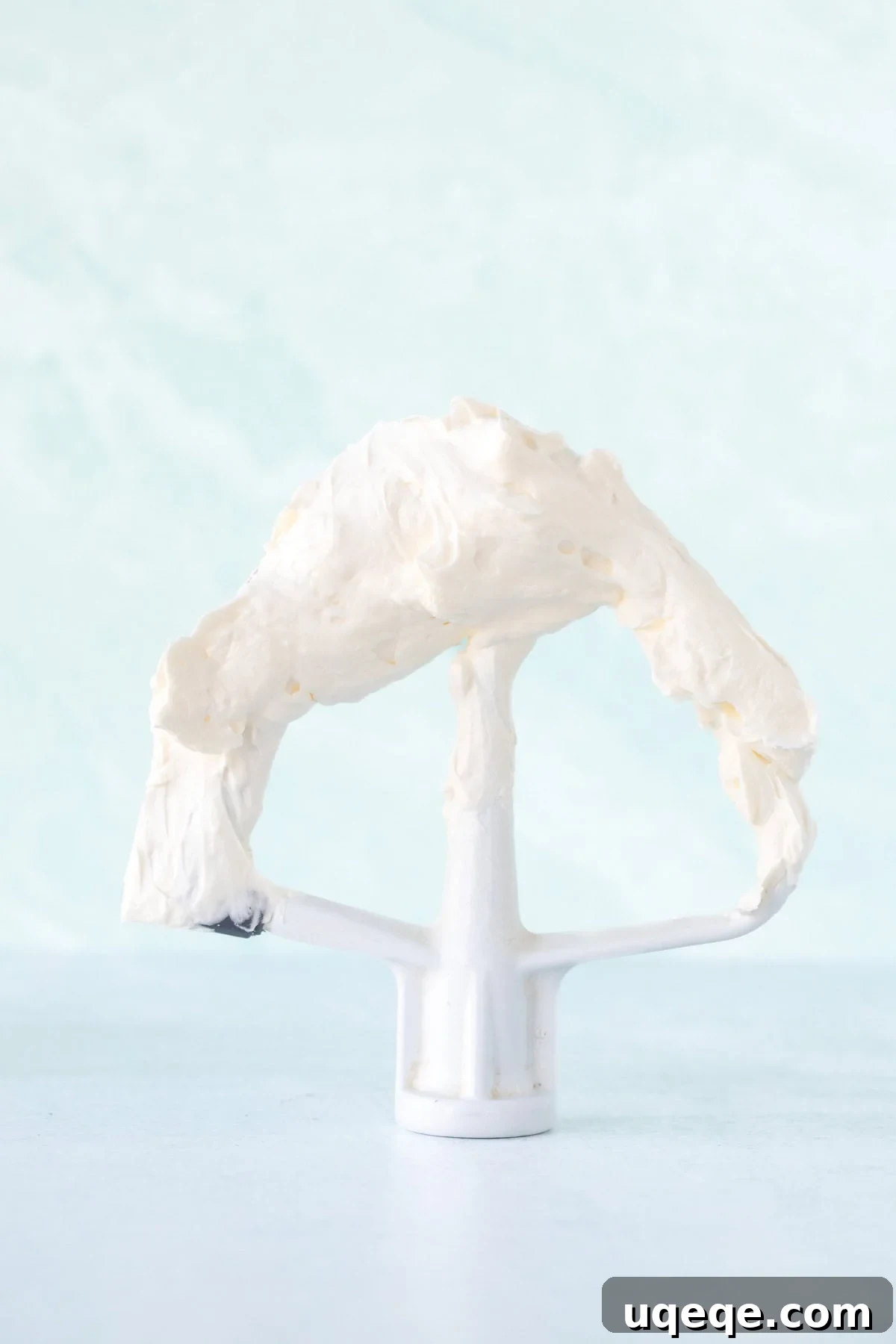
- Temperature Control: This is the most critical factor. Ensure your egg white/sugar mixture reaches 160°F (70°C) and then cools completely before adding butter. Your butter should be room temperature but still slightly firm.
- Patience is a Virtue: The whipping process for meringue can take 10-20 minutes, and the butter incorporation can look messy before it comes together. Don’t rush or give up! Keep mixing.
- High Humidity Caution: Humidity can make meringue difficult to form, often prolonging whipping times. If possible, avoid making SMB on very humid days, or ensure you have air conditioning.
- Quality Ingredients: Use fresh, large eggs and good quality unsalted butter for the best flavor and texture.
- Don’t Over-Whip (Once Butter is Added): While you need to whip to stiff peaks for the meringue, once the butter is incorporated and the buttercream is smooth, avoid over-beating, which can introduce too much air and break the emulsion.
Frequently Asked Questions (FAQ)
Can I use carton egg whites for Swiss Meringue Buttercream?
While fresh egg whites are generally recommended for the best results, pasteurized carton egg whites can be used. However, some bakers report that they don’t whip to quite the same volume or stability as fresh egg whites, and they still need to be heated with the sugar for proper dissolution.
Why is my Swiss Meringue Buttercream yellow?
Swiss meringue buttercream is naturally off-white due to the butter. If it’s very yellow, it’s likely because your butter has a high yellow tint (this varies by brand and region) or you’ve added too much vanilla extract (which is brown). You can add a tiny speck of purple or blue food coloring to neutralize the yellow and achieve a whiter shade.
How much frosting does this recipe yield?
This recipe yields a generous amount of frosting, typically enough to frost:
- 24 standard cupcakes with a beautiful swirl
- One 8-inch layer cake (filling and frosting a two-layer cake will leave some leftover)
- One 9-inch layer cake (filling and frosting a two-layer cake will use most of it)
Can I make Swiss Meringue Buttercream without a stand mixer?
Technically, yes, with a very powerful hand mixer and a large, sturdy bowl. However, it will take considerably longer (often 20-30 minutes just for the meringue) and require significant arm strength. A stand mixer is highly recommended for consistent and less tiring results.
Delightful Pairings for Your Swiss Meringue Buttercream
This creamy, fluffy, silky smooth, and not-too-sweet frosting is an absolute delight on a variety of baked goods. Here are some favorites:
- Classic Vanilla Cupcakes
- Elegant White Cake
- Rich Double Chocolate Layer Cake
- Festive Funfetti Cake
Swiss Meringue Buttercream Frosting Recipe
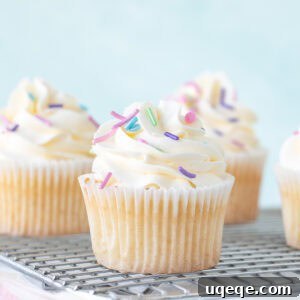
Swiss meringue buttercream frosting is silky smooth, not too sweet and pipes beautifully onto cakes and cupcakes. This frosting is surprisingly light in texture, but holds its shape perfectly. Learn all the tips and tricks to making perfect Swiss meringue buttercream!
By: Fiona Dowling
Prep time: 45 mins | Total time: 45 mins | Servings: 24 cupcakes
Ingredients
- 6 large egg whites (yolks discarded)
- 2 cups granulated sugar (400 grams)
- 2 cups unsalted butter (454 grams), softened but still slightly firm (take butter out of the fridge only after meringue is off the heat)
- 2 teaspoons vanilla extract
- 1/2 teaspoon salt
Instructions
Prep
- Separate the eggs. This is easiest when eggs are cold. Allow egg whites to come to room temperature for about 20 minutes before starting.
- Wipe down your mixing bowls and whisk attachment with a little vinegar or lemon juice to ensure no grease residue. Dry thoroughly with a fresh paper towel.
Make the Frosting
- Whisk together the egg whites and sugar in a heatproof bowl (like your stand mixer bowl).
- Place the bowl over a saucepan with 1/2 to 1 inch of gently simmering water, ensuring the bottom of the bowl does not touch the water. Gently whisk for about 4-6 minutes, or until the mixture reaches 160°F (70°C) and no sugar granules are felt when rubbed between your fingers.
- Take the butter out of the fridge and cut it into cubes (about 1-2 tablespoons each). Remove the bowl from the double boiler. Transfer the mixture to your stand mixer with the whisk attachment. Start on low speed and gradually increase to medium-high speed. Whisk for about 10-20 minutes until stiff, glossy peaks form. The meringue should stand straight up when the whisk is lifted.
- Ensure the meringue and bowl are no longer warm to the touch. If still warm, chill in the fridge for 10-15 minutes. Switch the mixer to the paddle attachment. Beat in the softened butter, one cube at a time, waiting until each piece is incorporated before adding the next.
- Continue beating until the frosting is smooth and creamy. Then, mix in the salt and vanilla extract until fully combined.
- If your frosting is too thin/soupy, place the bowl in the fridge for about 15-20 minutes, then continue mixing. If the frosting starts to curdle, return it to the double boiler for 30 seconds (just until the edges slightly melt), then beat on low speed until smooth. You may need to repeat this step a few times.
Notes
- Yield: This recipe yields enough frosting for 24 cupcakes, a 9-inch layer cake, or an 8-inch layer cake with some leftovers.
- Mixers: A stand mixer is highly recommended for best results. While a powerful hand mixer can be used, it will take significantly longer to achieve stiff peaks.
- Storage: Store frosted cakes/cupcakes covered at room temperature for up to 1 day (or refrigerated in warm climates). Leftover frosting keeps in the fridge for up to 5 days or frozen in an airtight container for up to 2 months. Thaw in the fridge, then bring to room temperature and re-whip until smooth.
- Humidity: High heat and humidity can negatively impact meringue stability. It’s best to make this frosting in a cool, air-conditioned environment.
- Nutrition: Details are an estimate based on the frosting divided among 24 cupcakes (not including the cupcake itself).
Nutrition
Calories: 205kcal, Carbohydrates: 17g, Protein: 1g, Fat: 15g, Saturated Fat: 10g, Polyunsaturated Fat: 1g, Monounsaturated Fat: 4g, Trans Fat: 1g, Cholesterol: 41mg, Sodium: 64mg, Potassium: 19mg, Sugar: 17g, Vitamin A: 473IU, Calcium: 5mg, Iron: 0.02mg