
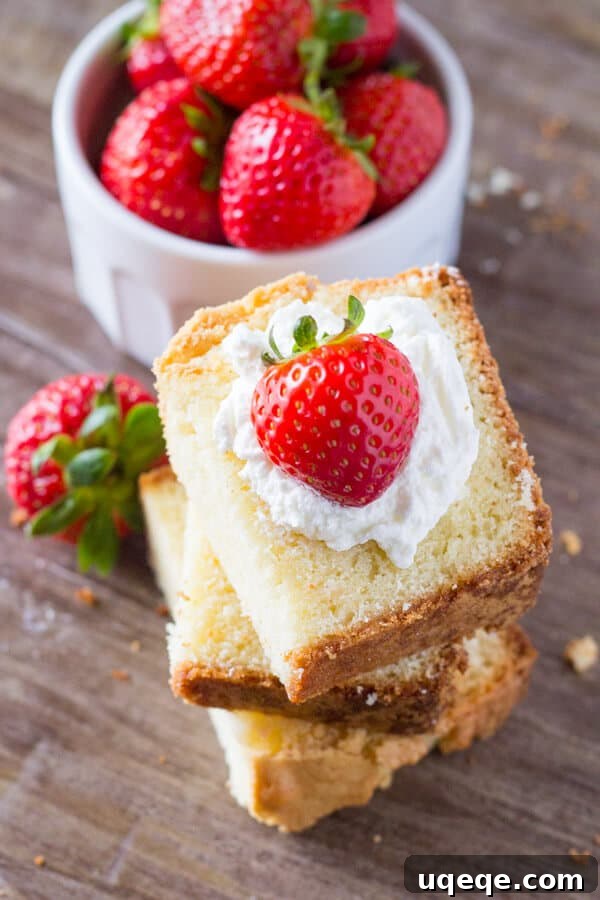
Perfectly dense, ultra-tender Vanilla Pound Cake. Just like Grandma made… only better. This classic dessert boasts a rich, buttery flavor and a wonderfully moist crumb, making it an indispensable recipe for any home baker.
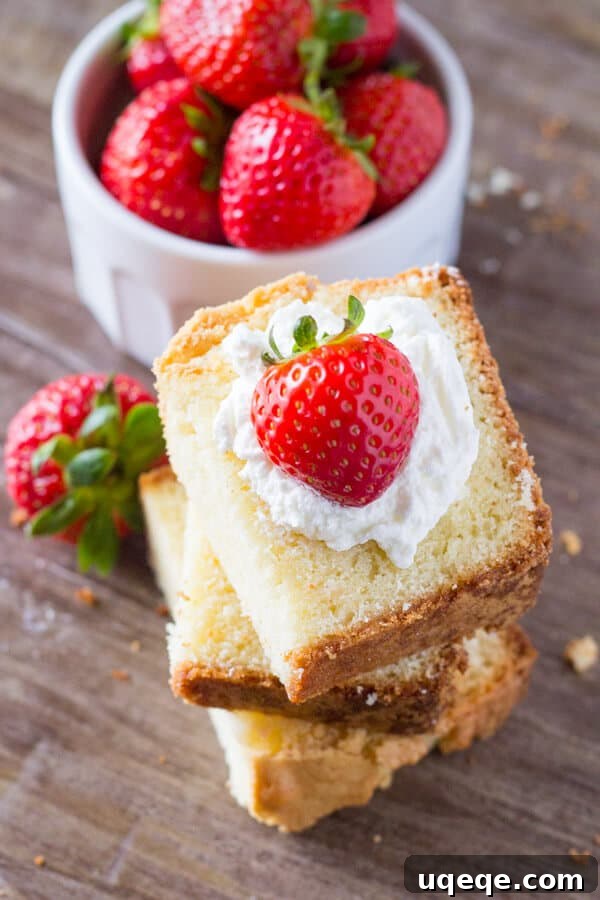
The Enduring Allure of Classic Vanilla Pound Cake
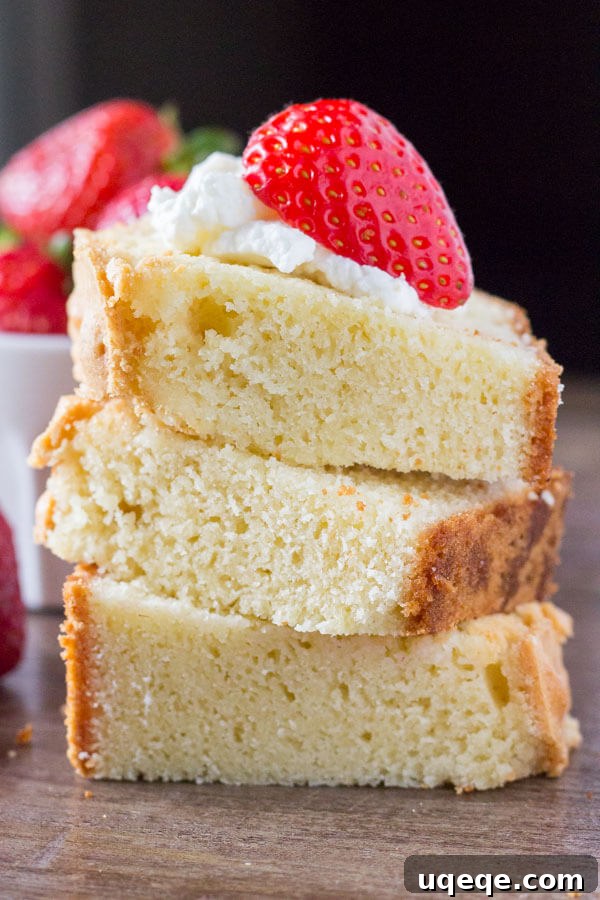
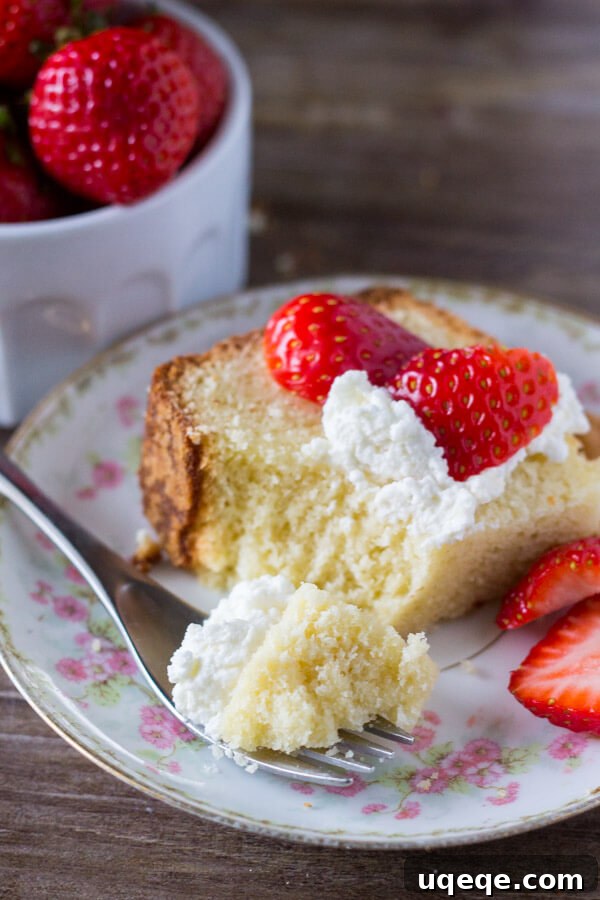
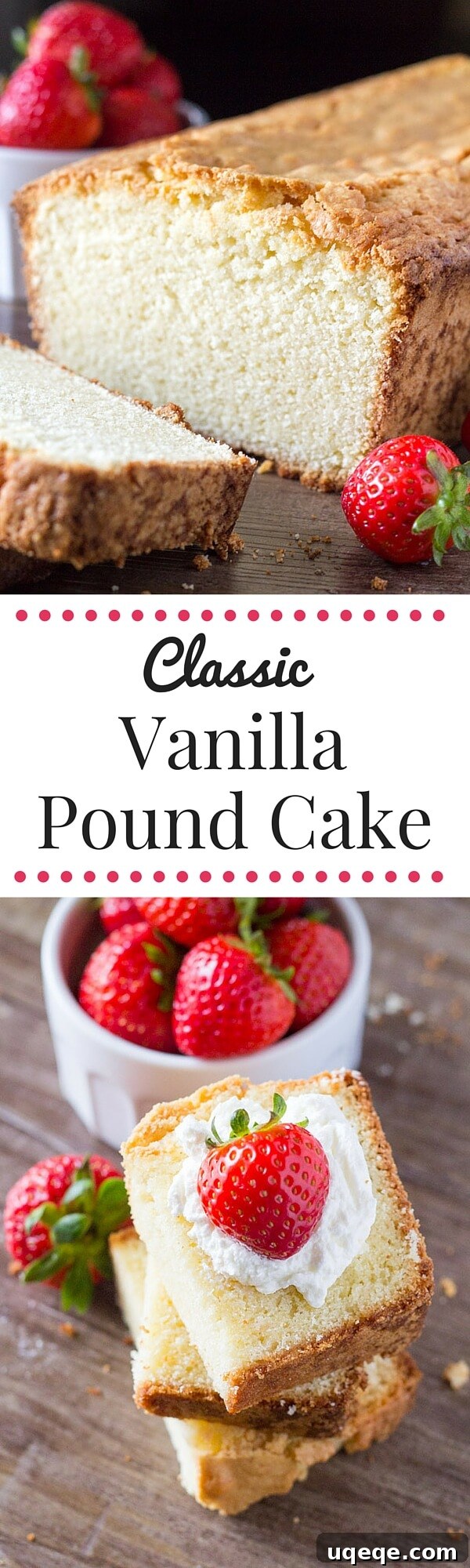
There’s an undeniable charm to desserts that thrive in their simplicity, and pound cake stands as a prime example. In a world of elaborate confections laden with chocolate, intricate frostings, or complex caramels, a truly delicious, buttery, and exceptionally moist vanilla pound cake offers a comforting return to basics. With its beautiful golden-brown edges and a dense, fine crumb, it’s a timeless treat that requires no fancy presentation to impress. Its inherent richness and delicate sweetness speak for themselves, making it a beloved staple across generations.
This quintessential classic is wonderfully versatile, making it the perfect companion for various occasions. Imagine a slice gracing your afternoon tea, elevating a Sunday brunch, or serving as an effortlessly elegant summer dessert. While its simple, unadorned beauty is captivating, it also provides a delightful canvas for embellishment. Pair it with a generous dollop of fresh whipped cream and vibrant seasonal berries for a light, refreshing dessert, or indulge further with a scoop of vanilla bean ice cream and a drizzle of warm chocolate sauce. Regardless of how you choose to enjoy it, that delicious buttery vanilla flavor and signature moist, dense texture are simply hard to beat. It’s precisely this versatility and inherent deliciousness that cements a good pound cake recipe as an absolute necessity in every baker’s repertoire.
Unraveling the History: Why Is It Called “Pound Cake”?
For many years, the origin of the name “pound cake” remained a mystery to me. My initial thoughts drifted to the cake’s significant weight due to its dense nature, or perhaps the playful notion of gaining a few pounds after enjoying multiple generous slices! However, a bit of culinary research and historical sleuthing unveiled a much more fascinating truth rooted in simplicity and precision. The name “pound cake” directly refers to the traditional ingredient list from which it originated: a pound each of butter, sugar, eggs, and flour. This straightforward, balanced ratio was easy to remember and allowed bakers to scale the recipe effortlessly, making it incredibly popular in early American and European kitchens.
This classic formula, born centuries ago, laid the foundation for countless variations and adaptations. While my vanilla pound cake recipe makes a few strategic adjustments to these traditional ratios to enhance flavor and texture, all the beloved characteristics of a classic pound cake remain intact. We’re simply refining the traditional to achieve an even more exquisite flavor profile and an unbelievably tender, moist crumb that melts in your mouth. Understanding its origins not only deepens appreciation for this timeless dessert but also highlights the enduring genius of its original, deceptively simple construction.
The Art of Baking the Perfect Vanilla Pound Cake
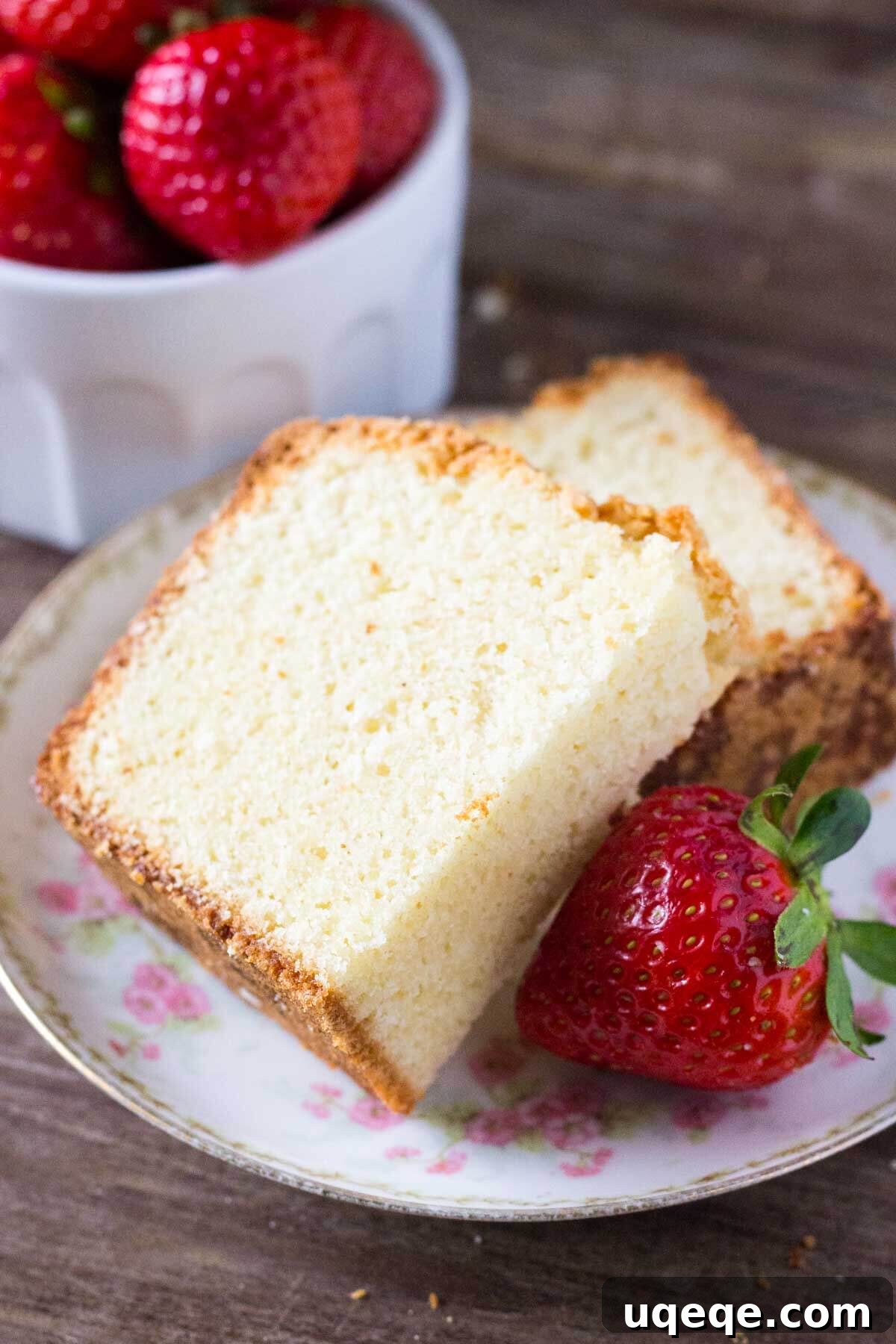
Creating a truly exceptional vanilla pound cake requires more than just mixing ingredients; it demands attention to technique and an understanding of how each component contributes to the final masterpiece. Our journey to the ultimate pound cake begins with a fundamental step: creaming together a generous amount of butter and sugar. This isn’t merely about combining them; it’s a crucial aeration process. It’s imperative to beat them together thoroughly, typically for about five full minutes with an electric mixer, until the mixture transforms into a pale, fluffy consistency. This extensive creaming incorporates air into the batter, which is vital for the cake’s lift and tender texture, especially since traditional pound cakes do not rely on baking powder or baking soda for leavening.
Key Ingredients for an Unforgettable Flavor
To elevate the flavor profile of our vanilla pound cake beyond the ordinary, we incorporate both vanilla extract and a touch of almond extract. The vanilla provides that classic, comforting warmth, while the almond extract adds a subtle complexity and depth that perfectly complements the rich buttery base. These two extracts work in harmony to create a wonderfully nuanced taste that will leave you craving more.
Next, we introduce the eggs, one at a time, beating for approximately 30 seconds to a minute after each addition. This gradual incorporation ensures maximum air is trapped within the batter, which is the primary source of the cake’s rise. A critical tip here is to ensure your eggs are at room temperature. Room temperature eggs emulsify more effectively with the butter and sugar, creating a smoother, more uniform batter and a more tender final product. Cold eggs can cause the butter to seize, resulting in a dense cake.
The Secret to a Finer Crumb and Enhanced Moisture
For that signature fine, delicate crumb that pound cakes are renowned for, we opt for cake flour. Cake flour has a lower protein content than all-purpose flour, which inhibits gluten development and results in a softer, more tender cake. If cake flour isn’t readily available, don’t despair! You can easily create your own substitute: for every cup of cake flour required, measure out 1 cup of all-purpose flour, remove 2 tablespoons, and replace them with 2 tablespoons of cornstarch. Sift this mixture together thoroughly, and you have a perfect homemade cake flour substitute ready to use.
Now for our final, and perhaps less traditional, star ingredient: whipping cream. While many pound cake recipes incorporate sour cream or cream cheese for added richness, my research led me to a particular pound cake recipe from Epicurious, famously attributed to Elvis Presley, that utilizes whipping cream. This inclusion caught my eye, and for good reason! The whipping cream introduces an unparalleled richness and creamy texture to the batter that you will absolutely adore. It contributes to an incredibly moist cake that stays fresh longer, adding a luxurious mouthfeel that truly sets this recipe apart.
Baking and Enjoying Your Homemade Masterpiece
Once the batter is meticulously prepared, it’s time for the magic of the oven. Your vanilla pound cake will typically bake for about 55 minutes to an hour and 10 minutes. During this time, you’ll witness the top transforming into a beautiful golden brown color, developing a slight crispness around the edges that promises a delightful contrast to the tender interior. To ensure even baking and prevent over-browning, especially if the top is browning too quickly, a simple trick is to loosely tent a piece of aluminum foil over the cake during the last phase of baking.
The waiting is always the hardest part, but proper cooling is essential for the perfect texture. Allow the cake to cool in its pan on a wire rack for about 20 minutes before carefully removing it. This initial cooling period allows the cake to set and firm up, preventing it from crumbling when inverted. Once out of the pan, continue cooling on the wire rack until it reaches room temperature. Slicing into a warm pound cake can be tempting, but a fully cooled cake offers the best texture and flavor development.
The result is a seriously tender, deliciously buttery, and profoundly moist cake, infused with that classic vanilla pound cake taste. Whether you choose to serve it plain, allowing its rich flavor to shine, or adorn it with fresh fruit and a cloud of whipped cream for an elegant dessert, you simply can’t go wrong. It’s also an exquisite treat alongside your morning coffee or afternoon tea, offering a moment of pure culinary bliss. This homemade vanilla pound cake is more than just a dessert; it’s a taste of comfort, tradition, and pure baking joy.
Vanilla Pound Cake Recipe
Vanilla Pound Cake
By: Fiona Dowling
Seriously tender, deliciously buttery, perfectly moist Vanilla Pound Cake. Serve it with fresh fruit and whipped cream for dessert, or have a slice with your morning coffee. Learn the secrets to making this classic cake.
Prep: 15 mins
Cook: 1 hr
Total: 1 hr 15 mins
Servings: 10 slices
Rate Recipe
Print Recipe
Ingredients
- 3/4 cup unsalted butter, softened to room temperature
- 1 and 2/3 cup granulated sugar
- 2 teaspoons vanilla extract
- 1/4 to 1/2 teaspoon almond extract, to taste
- 4 large eggs, room temperature
- 2 cups cake flour, sifted*
- 1/4 cup whipping cream, heavy cream or half-and-half cream
Instructions
- Preheat the oven to 350°F (175°C) degrees. Line a 9×5 inch loaf pan with parchment paper, or grease with soft butter and sprinkle with flour. Set aside.
- In a large bowl using a stand or hand-held electric mixer on medium speed, beat together the butter and sugar for about 5 minutes until it’s pale in color and fluffy. Add in the vanilla extract & almond extract. With the mixer on medium speed, add in the eggs one at a time, beating for 30 seconds to about 1 minute between each addition until fully incorporated.
- Turn down the mixer to low speed and carefully add in about half of the sifted flour, followed by about half of the whipping cream. Turn off the mixer and scrape down the sides of the bowl using a large rubber spatula as necessary. Turn the mixer on to low and add in the rest of the flour followed by the rest of the whipping cream until just combined. Be careful not to overmix.
- Spoon the batter into the prepared pan and smooth the top evenly. Bake in the preheated oven for about 55 minutes to 1 hour and 10 minutes, or until an inserted toothpick comes out clean. If at around 45 minutes the top appears to be browning too quickly, loosely tent a piece of aluminum foil over the top of the cake to prevent over-browning.
- Allow the cake to cool in its pan on a wire rack for about 20 minutes, then carefully remove from the pan and continue cooling completely on the wire rack until it reaches room temperature.
- Serve plain or with fresh berries and whipped cream for an added touch of elegance.
Notes
*If you don’t have cake flour, measure 1 and 3/4 cups of all-purpose flour in a bowl with 1/4 cup cornstarch and whisk together thoroughly. This mixture can be used as a substitute for 2 cups of cake flour.
**Store cake in an airtight container at room temperature for up to 3 days, or in the refrigerator for up to 4 days. Pound cake also freezes exceptionally well; wrap tightly in plastic wrap and then in foil for up to 3 months.
Nutrition
Calories: 391kcal (per slice, approximate)
Like this recipe? We’d love to hear your thoughts! Rate and comment below!