
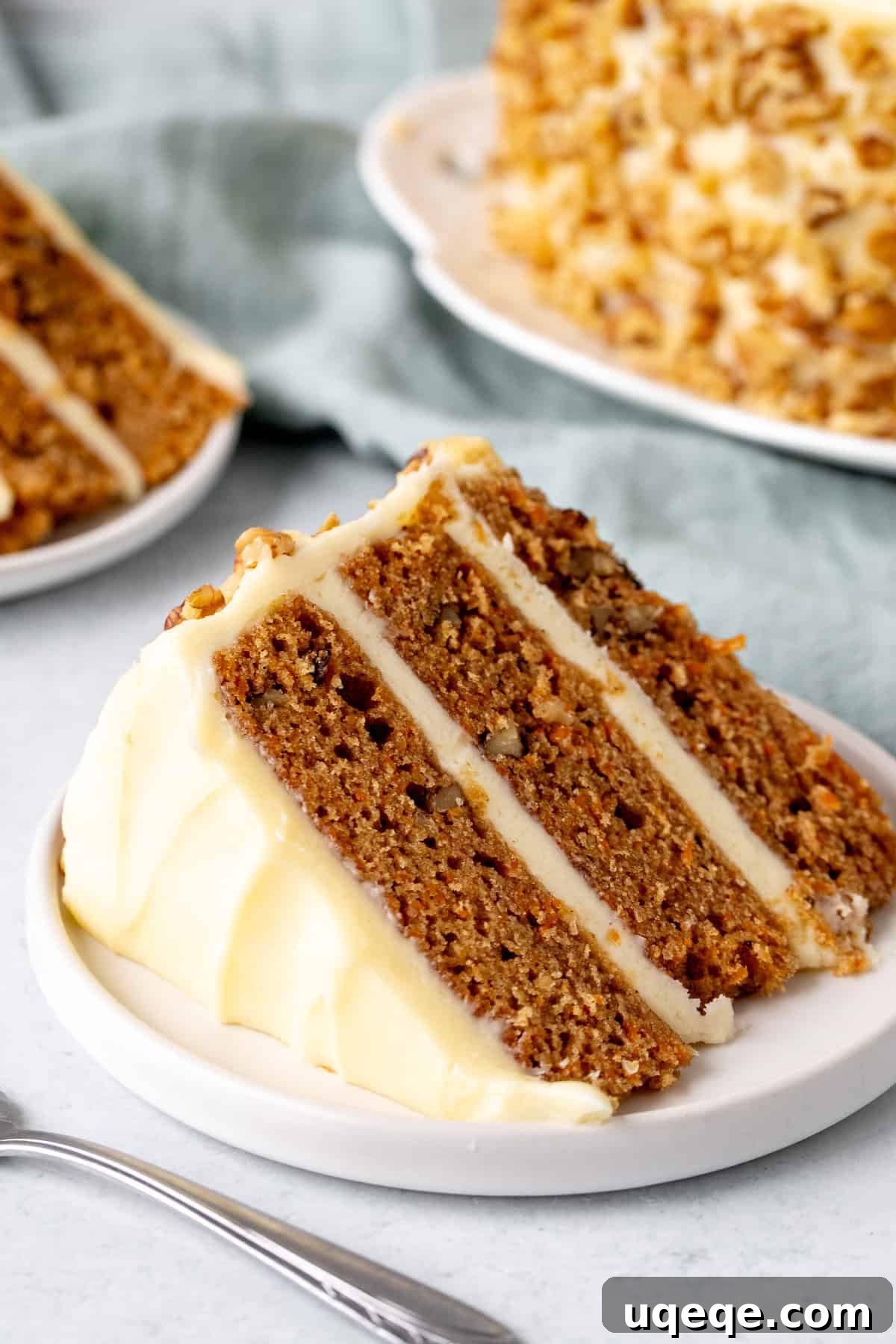
The Ultimate Moist Carrot Layer Cake with Tangy Cream Cheese Frosting
Prepare to impress with this showstopping carrot layer cake, a masterpiece of flavor and texture that’s destined to be the centerpiece of any celebration. Unlike many carrot cake recipes, this one is specifically designed to be robust enough for layering while retaining an incredibly moist and tender crumb. Each bite bursts with the comforting essence of warm spices, the sweetness of brown sugar, and a hint of vanilla, all perfectly complemented by a generous slathering of tangy cream cheese frosting. It’s the perfect blend of rustic charm and elegant presentation, making it an ideal choice for Easter, birthdays, or simply a delightful weekend treat.
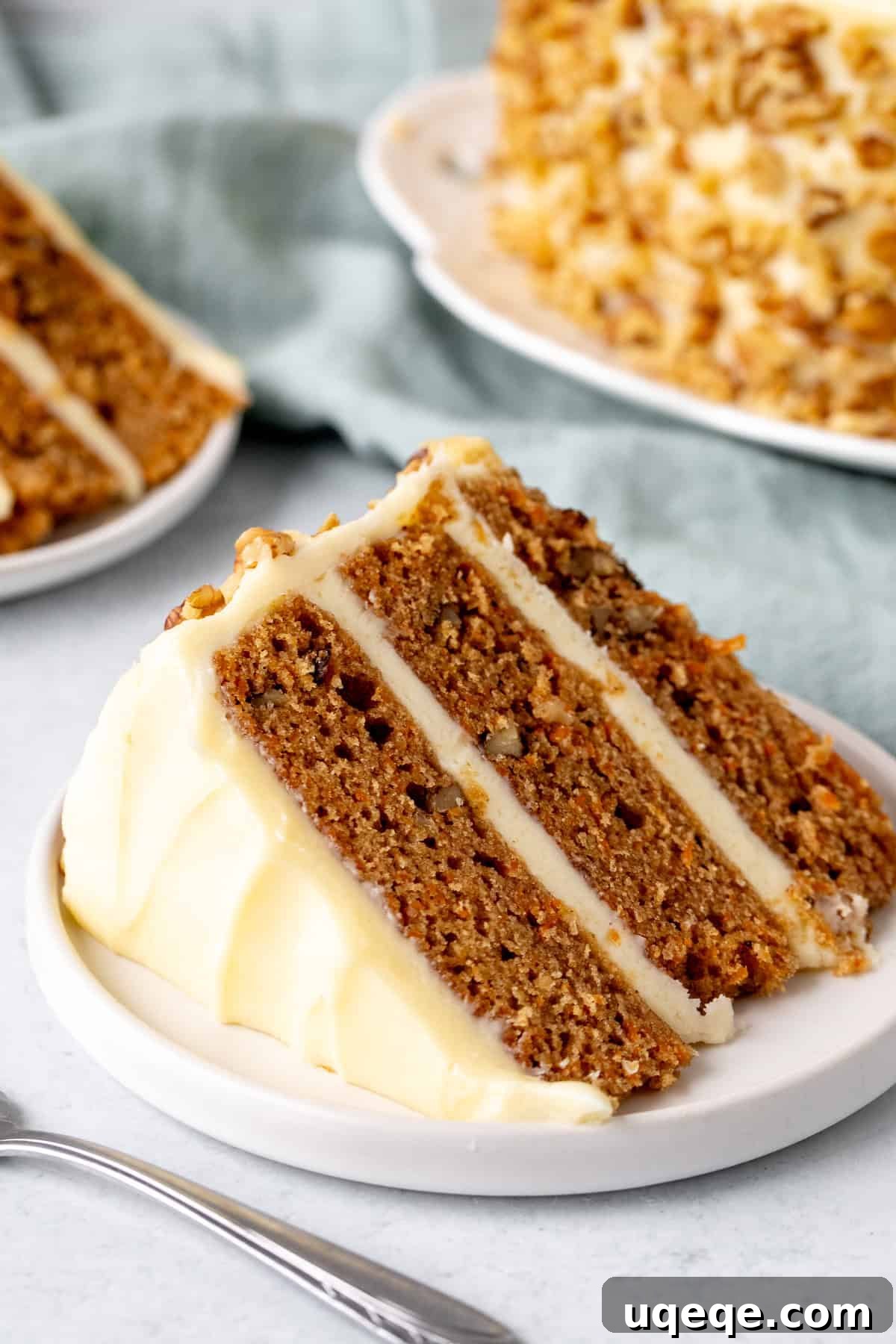
If you’ve ever struggled with a carrot cake that crumbles when stacked or becomes overly sweet, this recipe is your answer. We’ve fine-tuned every detail to ensure you achieve a cake that not only looks spectacular but also tastes absolutely divine. The secret lies in a carefully balanced blend of ingredients and techniques that result in a sturdy yet incredibly tender cake, with a frosting that is rich, creamy, and perfectly tart. Say goodbye to dry, dense, or overly oily carrot cakes – this recipe delivers pure perfection.
Mastering the Carrot Cake Batter: A Step-by-Step Guide
Crafting the perfect carrot cake begins with understanding each ingredient’s role and following precise steps. This guide provides detailed instructions and essential tips to ensure your batter is flawless, leading to perfectly baked, moist cake layers.
- Essential Preparation: Setting Up for Success
Before you even think about mixing, preheat your oven to 350°F (180°C). Proper oven temperature is vital for even baking. Next, prepare your cake pans. I strongly recommend lining the bottom of each pan with a round of parchment paper. This step is a game-changer for easy cake release. After lining, lightly grease and flour the sides of the pans. This combination guarantees your delicate cake layers will slide out effortlessly once cooled, preventing any sticking or tearing that can happen with just greasing and flouring alone.
- Toasting the Nuts: Unlocking Deeper Flavor
If you choose to include walnuts (or pecans), take a moment to toast them. Finely chop your chosen nuts and spread them evenly on a baking sheet. Toast them in your preheated oven for about 6-8 minutes, or until you begin to smell their wonderfully nutty aroma. Toasting nuts deepens their flavor and adds a more complex, toasted note to your cake, transforming them from a simple add-in to a true flavor contributor. Be careful not to burn them, as they can go from toasted to bitter very quickly.
- The Foundation of Flavor: Whisking Dry Ingredients
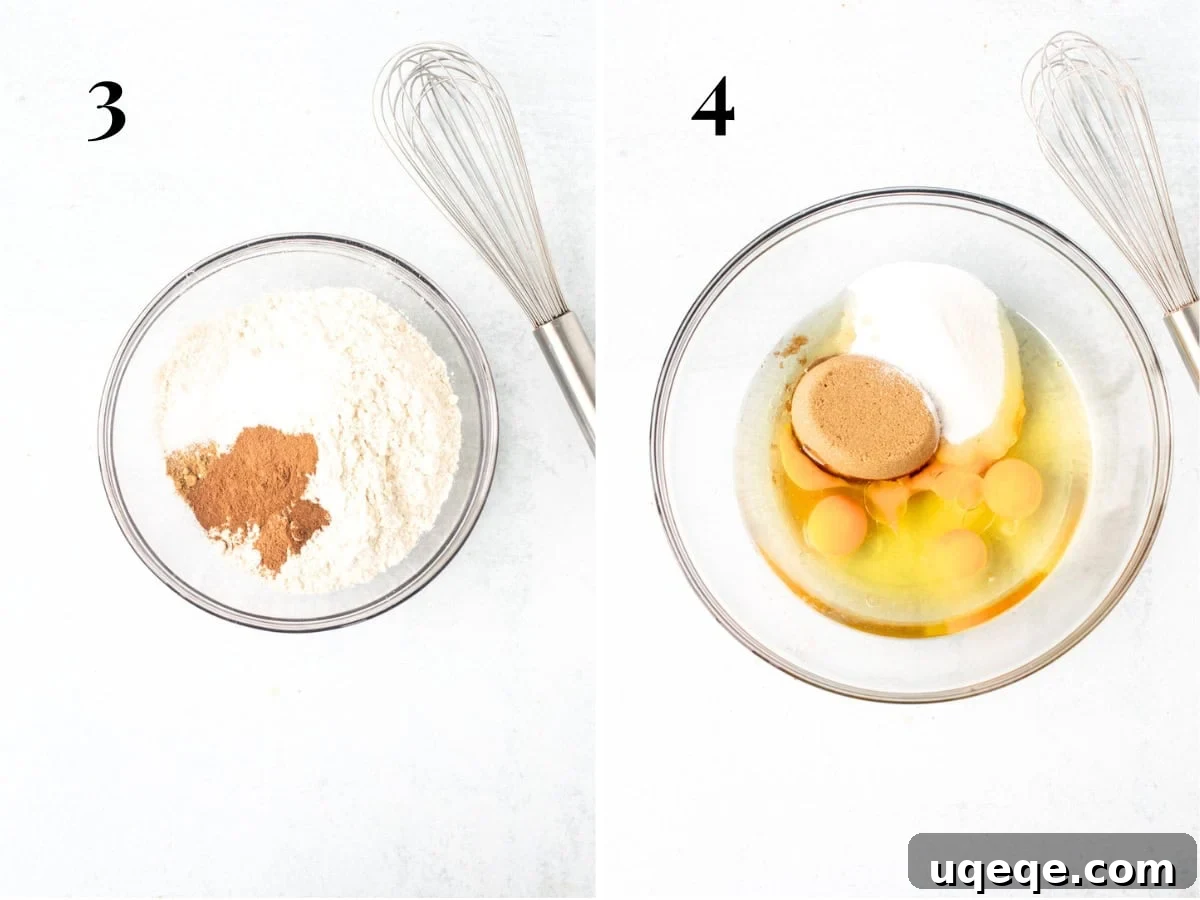
In a medium bowl, combine all your dry ingredients: all-purpose flour, baking powder, baking soda, ground cinnamon, ginger powder, ground nutmeg, and salt. Whisking these together thoroughly is a critical step for two main reasons: it eliminates any lumps in the flour and, more importantly, ensures that the leavening agents (baking powder and baking soda) and spices are evenly distributed throughout the batter. This meticulous mixing guarantees a uniform rise and consistent flavor in every slice. The combination of cinnamon, ginger, and nutmeg creates a warm, inviting spice profile that truly elevates this carrot cake beyond the ordinary.
- Building the Wet Base: Liquid Ingredients for Moisture
In a separate, generously sized bowl (this recipe yields a substantial amount of batter!), whisk together the vegetable oil (or canola oil), granulated sugar, brown sugar, room-temperature eggs, and vanilla extract. This initial whisking helps to dissolve the sugars, prevent lumps, and slightly aerate the eggs, contributing to a lighter, less dense cake texture. Using oil instead of butter in carrot cake contributes to a remarkably moist crumb that stays soft for days, as oil is liquid at room temperature while butter solidifies.
- Infusing Moisture and Freshness: Carrots, Applesauce, and Nuts
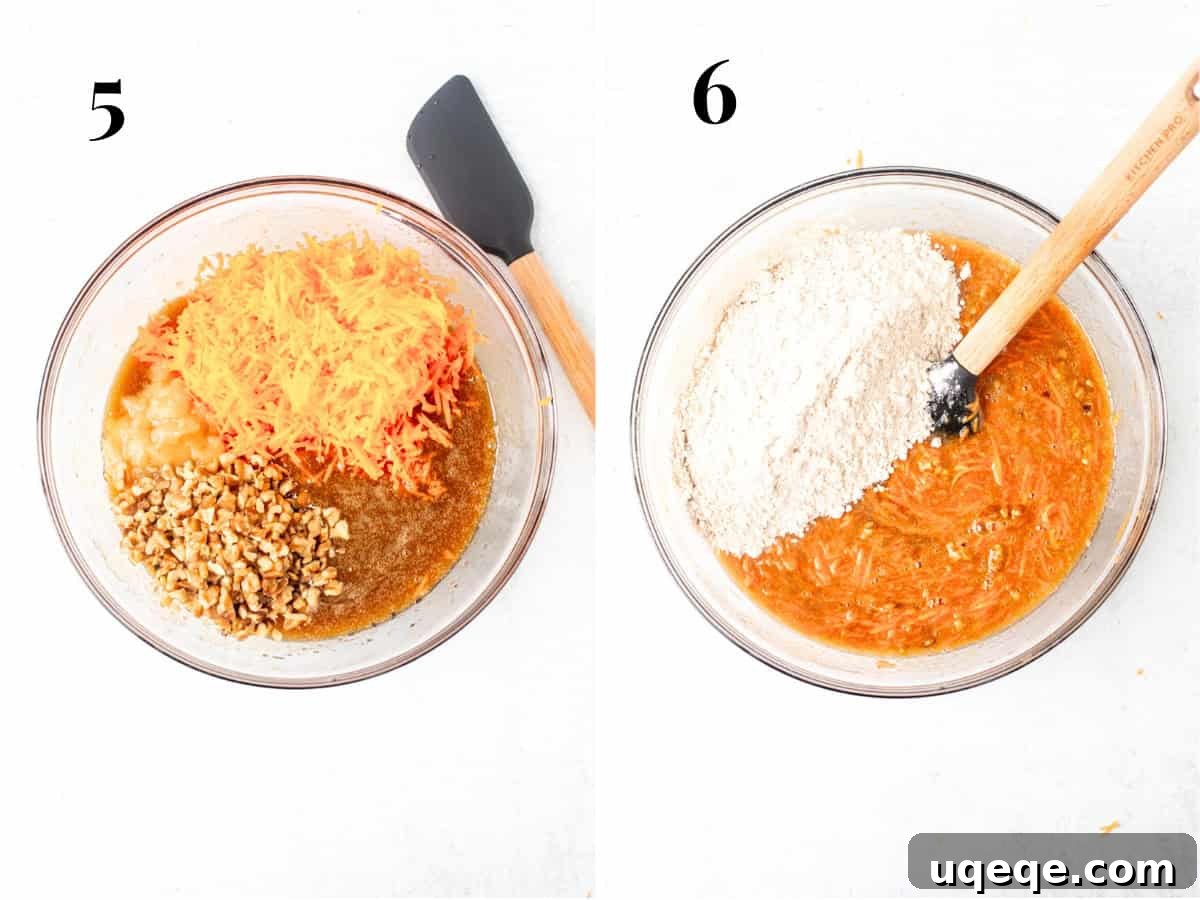
Now, it’s time to fold in the stars of the cake: applesauce, finely shredded carrots, and your toasted nuts (if using). The applesauce is a magical ingredient here; it provides incredible moisture and a subtle sweetness without making the cake greasy or excessively sweet, a common pitfall of many store-bought carrot cakes. For the carrots, it is absolutely essential to use finely shredded carrots. Avoid the pre-shredded carrots found in bags at the grocery store, as their larger size will result in a chunkier texture and potentially affect the cake’s overall moistness. Freshly grated, fine carrots melt seamlessly into the batter, offering natural sweetness and color.
- Bringing it All Together: Gentle Mixing of Wet and Dry
Carefully add the whisked dry ingredients to your wet mixture. Using a rubber spatula or a wire whisk, mix gently until just combined. The key here is to avoid overmixing. Overmixing can develop the gluten in the flour, leading to a tough and dry cake. Stop mixing as soon as you no longer see any visible streaks or pockets of dry flour. A few small lumps are perfectly fine and often result in a tender cake.
- Ready for the Oven: Pouring and Baking
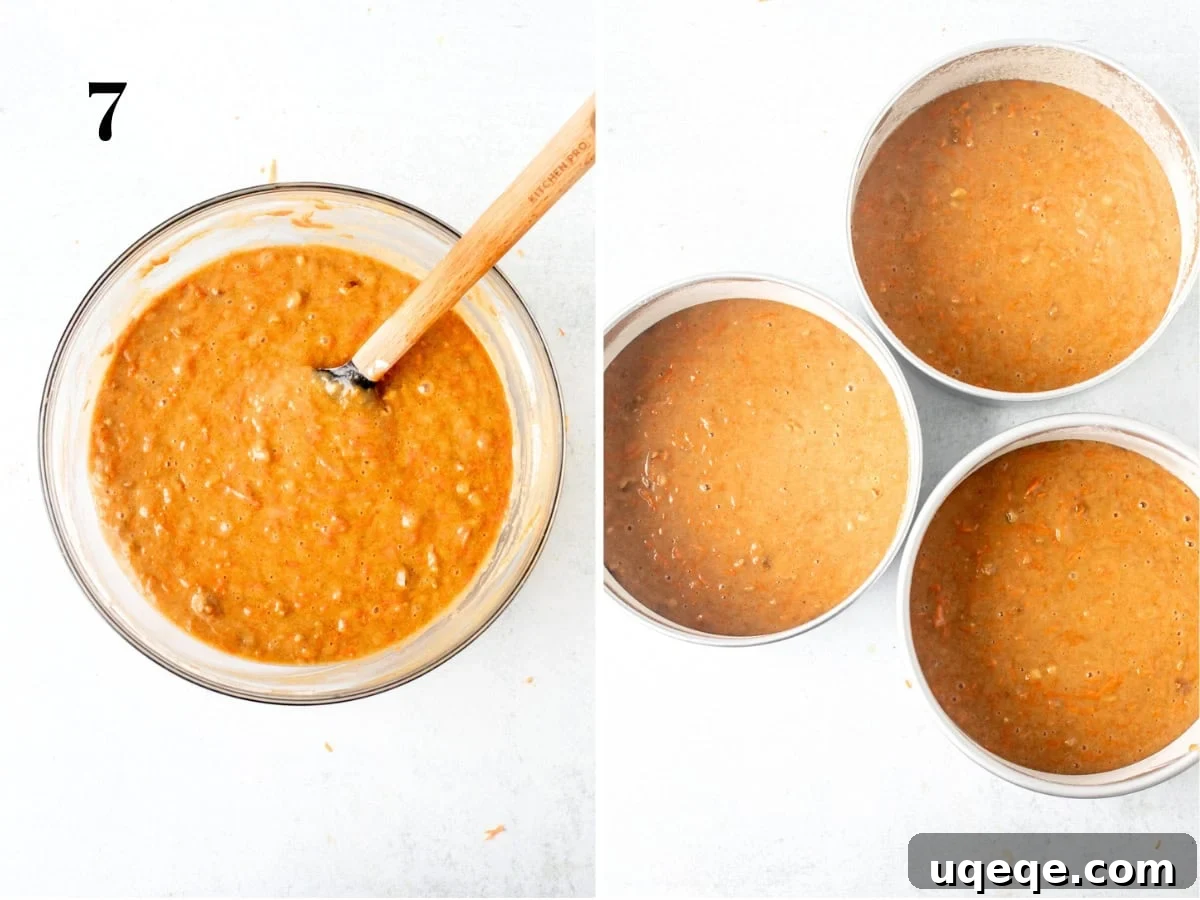
Once your batter is perfectly mixed, distribute it evenly among your prepared cake pans. For three 8-inch round pans, the batter should be divided roughly equally. Place the pans in the preheated oven and bake for approximately 25-30 minutes. Baking times can vary slightly based on your oven and pan size, so always check for doneness. The cakes are ready when a wooden skewer or toothpick inserted into the center comes out clean or with just a few moist crumbs attached. Allow the cakes to cool in their pans for about 15-20 minutes before carefully inverting them onto a wire rack to cool completely. This gradual cooling prevents the cakes from sinking and ensures they are firm enough for handling.
Baking Tip: The Mix-In Dilemma
While some traditional carrot cake recipes include raisins, pineapple, or coconut, I highly recommend keeping this layer cake recipe simple with just the finely chopped walnuts (or pecans). The more mix-ins you incorporate, the softer and more delicate the cake becomes, making clean, elegant slices much more challenging to achieve. For a truly picture-perfect layer cake that slices beautifully, less is often more. If you must add raisins, soak them first for extra plumpness and pat them dry, and consider slightly reducing the nuts.
The Art of Assembling Your Showstopper Carrot Layer Cake
Assembling a layer cake is where the magic truly happens, transforming simple baked layers into an impressive dessert. Patience is your best friend here, especially when it comes to cooling the cakes and applying the frosting.
Crucial Cooling and Leveling: It is absolutely imperative that your cake layers are completely and utterly cooled before you even think about frosting them. Attempting to frost warm cakes will result in a melted, runny mess as the heat from the cake will cause the butter in your cream cheese frosting to liquefy. If your cake layers have domed tops (which is common), gently use a serrated knife or a cake leveler to saw off the rounded tops. This ensures that each layer sits perfectly flat on top of the next, creating a stable and visually appealing cake.
Building and Crumb Coating: Start by placing one leveled cake layer, bottom-side up, on your chosen serving plate or cake stand. This flat surface will be the top of your first layer, providing a stable base. Spread about 3/4 cup of your delicious cream cheese frosting evenly over this layer. Carefully place the second cake layer on top, then frost it with another 3/4 cup of frosting. Repeat with the third layer. Once stacked, apply a very thin, even layer of frosting all around the sides and top of the cake. This is known as the “crumb coat.” Its purpose is to trap any loose cake crumbs, sealing them in this initial layer so that your final layer of frosting remains pristine and crumb-free. After applying the crumb coat, place the cake in the refrigerator for at least 20-30 minutes to allow the frosting to firm up.
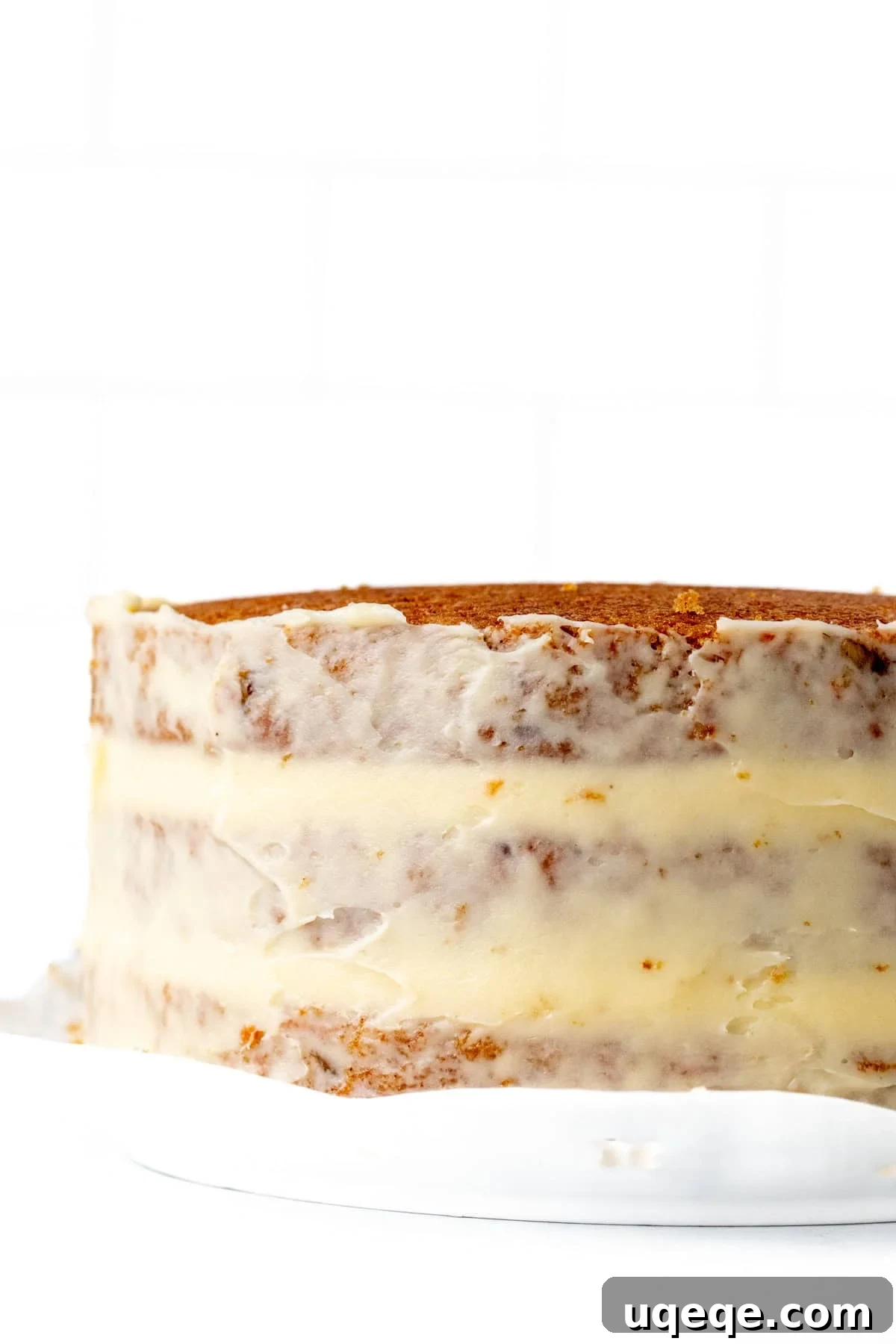
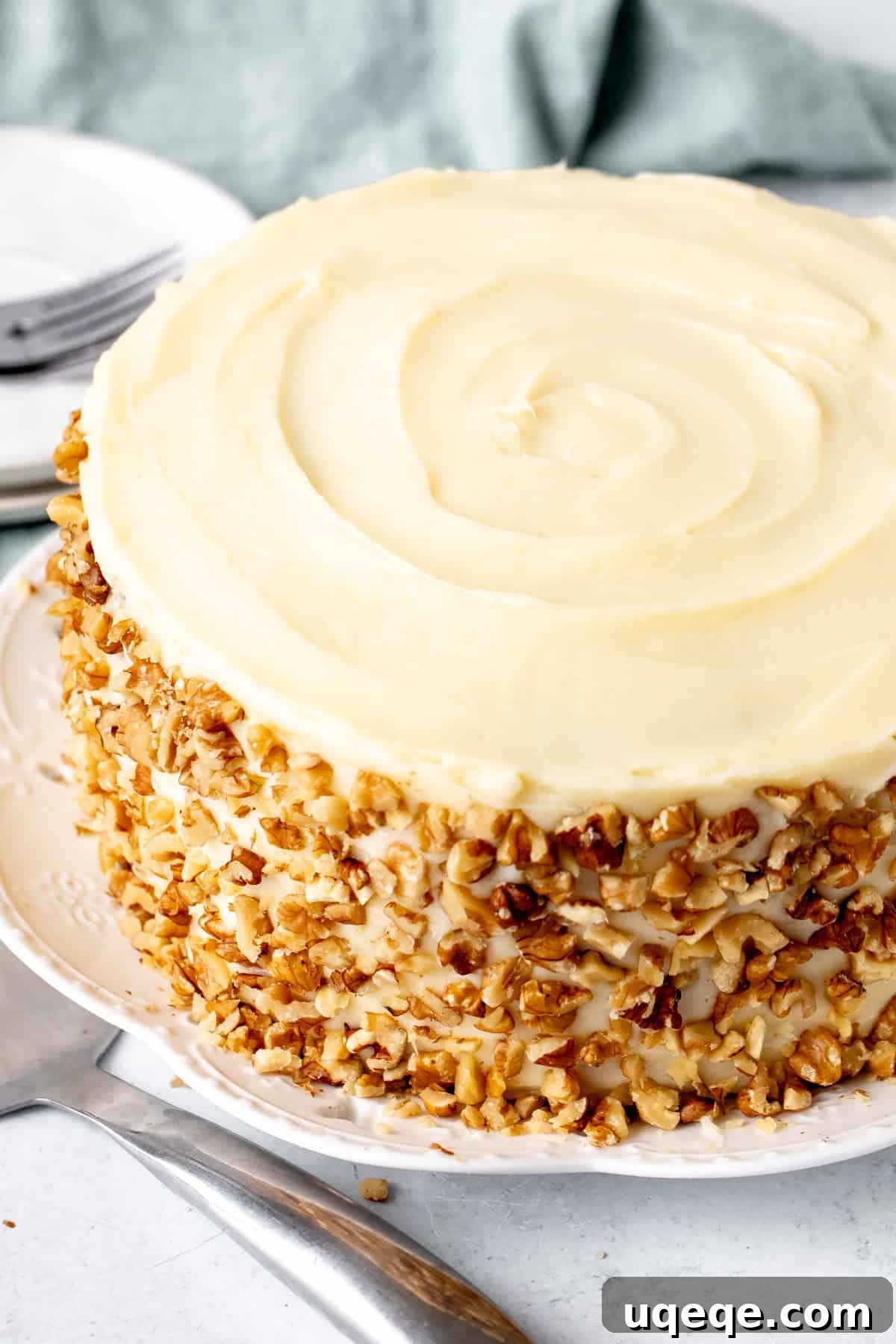
The Grand Finale: Final Frosting and Decoration: Once your crumb coat has chilled and firmed up, remove the cake from the fridge. Now, apply the remaining cream cheese frosting generously to the sides and top of the cake. You can achieve beautiful swirls and textures using an offset spatula or the back of a spoon for a more rustic look. For an extra touch of elegance and flavor, I often sprinkle additional chopped walnuts around the base or on top of the cake, but this is entirely optional. Alternatively, leaving the frosting simply swirled creates a timeless, elegant aesthetic. The result is a stunning, tall layer cake ready to be admired and devoured.
Choosing the Right Tools: Cake Pan Sizes and Baking Times
The success of your layer cake also depends on using the correct pan sizes and adjusting baking times accordingly. Here are some options for this recipe:
- Three 8-inch (20 cm) round cake pans: This is the recommended setup for ideal layer height and consistent baking. Bake for approximately 25-30 minutes.
- Two 8-inch (20 cm) round cake pans with 2.5-inch (5-6 cm) high sides: If you only have two pans, ensure they are high-sided to accommodate the generous batter volume. Bake for about 35-40 minutes. You will likely need to level these layers more significantly.
- Two 9-inch (23 cm) round cake pans: This will result in slightly thinner layers. Bake for approximately 30-35 minutes.
Important Note: If using two 8-inch cake pans, it is absolutely crucial that they have very high sides. There is simply too much batter for standard 8-inch sandwich pans (which typically have 1.5-inch high sides), and the batter will overflow.
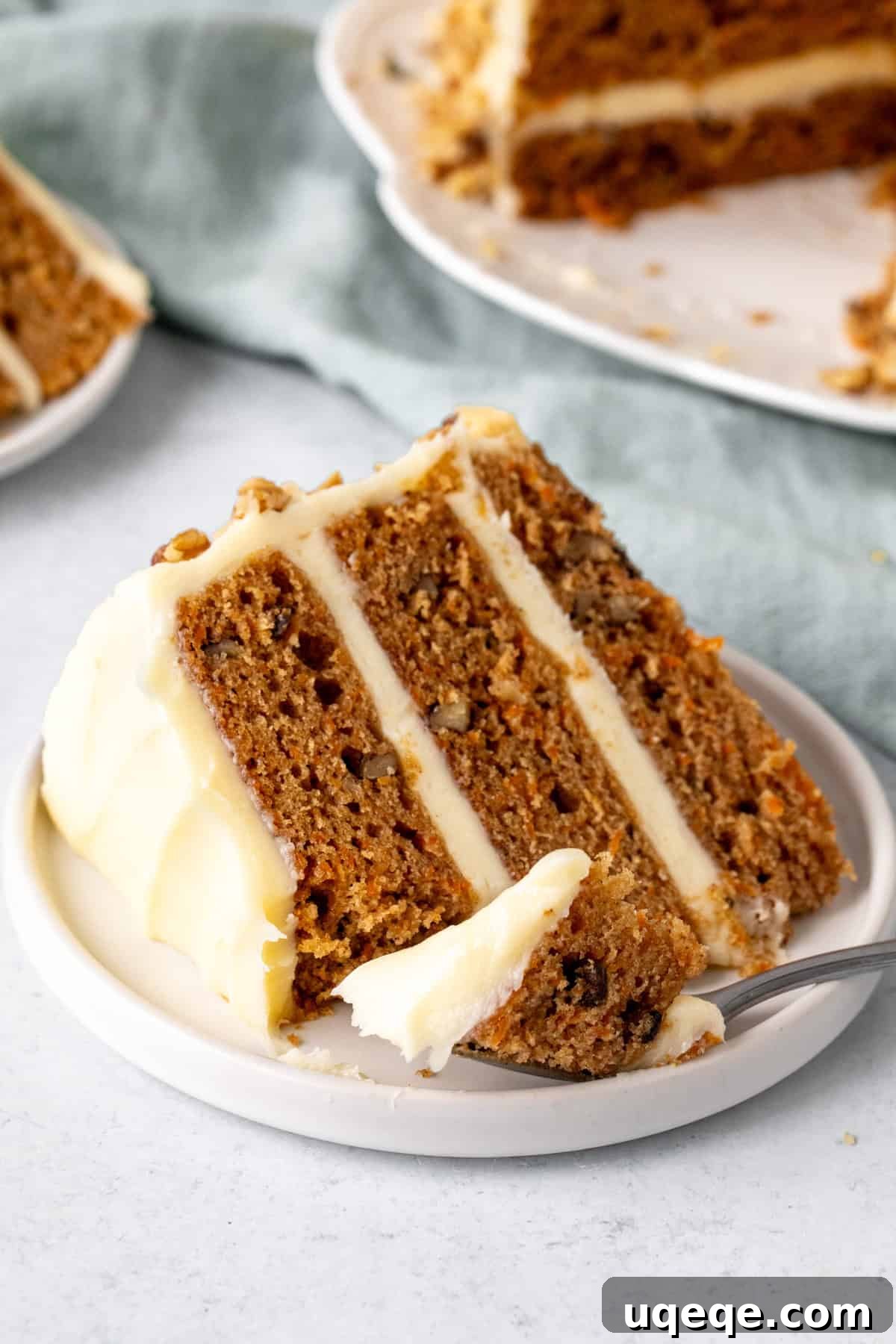
This ultimate carrot layer cake is truly a showstopper for any occasion, especially Easter or springtime gatherings. Its balance of moisture, flavor, and not-too-sweet frosting makes it universally loved. If you’re captivated by carrot-infused delights, explore these other fantastic recipes:
- Fluffy Carrot Cake Muffins
- Hearty Carrot Banana Bread
- Classic Carrot Cake Sheet Cake – this version bakes perfectly in a 9×13 inch pan
Carrot Cake Layer Cake Recipe
By: Fiona Dowling
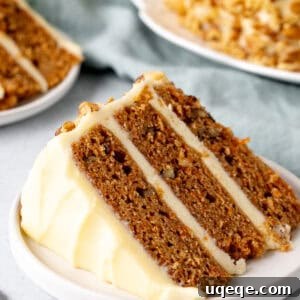
This moist and flavorful carrot cake stands tall as the perfect layer cake. It’s extremely flavorful thanks to warm spices, brown sugar and vanilla. The texture is moist, spongy and perfect for layering. Tangy cream cheese frosting takes this recipe to the next level.
Prep Time: 45 mins
Cook Time: 35 mins
Cooling Time: 2 hrs
Total Time: 3 hrs 20 mins
Servings: 12 pieces
Equipment
- 3 8-inch round cake pans
Ingredients
For the Carrot Cake
- 3/4 cup chopped walnuts, or pecans (optional, plus extra for decorating)
- 2 1/2 cups all-purpose flour (312 grams)
- 1 1/2 teaspoons baking powder
- 1 teaspoon baking soda
- 1 1/2 teaspoons ground cinnamon
- 1/2 teaspoon ginger powder
- 1/4 teaspoon ground nutmeg
- 1/2 teaspoon salt
- 1 cup granulated sugar (200 grams)
- 3/4 cup packed brown sugar (158 grams)
- 4 large eggs, at room temperature
- 1 cup vegetable oil (240 ml), or canola oil
- 2 teaspoons vanilla extract
- 1/2 cup applesauce (unsweetened preferred)
- 2 1/2 cups finely grated carrots (about 4-5 medium carrots)
For the Cream Cheese Frosting
- 3/4 cup unsalted butter, softened but not melting
- 16 ounces full-fat cream cheese, slightly softened and cut into cubes
- 4-5 cups powdered sugar (sifted if lumpy)
- 1/4 teaspoon salt
- 1 teaspoon lemon juice, freshly squeezed
- 1 tablespoon whipping cream (if needed, to adjust consistency)
- 1 cup chopped walnuts (for decorating, optional)
Instructions
Making the Carrot Cake
- Preheat your oven to 350°F (180°C). Line the bottoms of your cake pans with parchment paper and lightly grease and flour the sides for easy release.
- If using, spread chopped walnuts on a baking tray and toast in the preheated oven for 6-8 minutes until fragrant. Remove and set aside to cool.
- In a medium bowl, whisk together the flour, baking powder, baking soda, cinnamon, ginger, nutmeg, and salt. Set aside.
- In a large bowl, whisk together the oil, eggs, brown sugar, granulated sugar, and vanilla extract until well combined and slightly aerated.
- Stir the applesauce, finely shredded carrots, and the 3/4 cup of chopped nuts (if using) into the wet ingredients.
- Gradually add the flour mixture to the wet ingredients. Mix gently with a rubber spatula or whisk until no lumps or streaks of dry ingredients remain. Be careful not to overmix.
- Divide the batter evenly among the prepared cake pans. Bake in the middle of the oven for about 22-27 minutes (refer to notes for specific pan sizes).
- Cool the cakes in their pans for at least 15 minutes before carefully transferring them to a wire rack to cool completely. This is essential before frosting.
Preparing the Cream Cheese Frosting
- In a large bowl, beat the softened unsalted butter until it’s light and creamy.
- Add the cubed, slightly softened full-fat cream cheese and beat until thoroughly combined and smooth, ensuring no lumps remain.
- Gradually add 3 cups of powdered sugar, along with the salt, vanilla extract, and freshly squeezed lemon juice. Beat on low speed initially, then increase speed until fluffy.
- Continue adding the remaining powdered sugar (1/2 cup at a time) until your desired sweetness and consistency are reached. If the frosting becomes too thick, beat in 1 tablespoon of whipping cream to achieve a smooth, spreadable texture.
Assembling the Cake
- Ensure all cake layers are completely cooled. This step is critical to prevent the frosting from melting.
- If any cake layers have domed tops, gently level them using a serrated knife or a cake leveler for flat, stable layers.
- Place one cake layer, top-side down (for a flat surface), on your serving plate. Spread about 3/4 cup of cream cheese frosting evenly over it. Repeat with the second layer, then place the third layer on top.
- Apply a thin layer of frosting around the entire cake – this is your “crumb coat.” Its purpose is to trap any loose crumbs. Chill the cake in the fridge for 20 minutes to set the crumb coat.
- Remove the chilled cake from the fridge. Apply the remaining frosting to the sides and top, creating beautiful swirls or a smooth finish. Optionally, decorate the sides or top with additional chopped walnuts for a professional touch.
Recipe Notes and Tips
- Pan Sizes & Bake Times:
- Two 9-inch (23 cm) round cake pans: Bake time about 30-35 minutes.
- Three 8-inch (20 cm) round cake pans: Bake time about 25-30 minutes.
- Two 8-inch (20 cm) round cake pans with high sides (2.5 inches/5-6 cm): Bake time about 35-40 minutes. Avoid standard 1.5-inch sandwich pans as they will overflow.
- Nuts (Optional): Nuts are purely optional. If including, ensure they are finely chopped to allow for cleaner cake slices. Toasting them first enhances their flavor profile significantly.
- Carrot Quality: Always peel carrots before grating. Use a fine grater to achieve finely shredded carrots. Pre-bagged shredded carrots from the grocery store are typically too large and can make the cake dense or less moist.
- Adding Raisins: If you wish to add raisins, soak 1/2 cup in warm water for about 15 minutes to plump them. Drain the water thoroughly and pat the raisins dry before adding to the batter. If adding raisins, consider reducing the amount of walnuts to 1/2 cup to prevent too many mix-ins.
- Cream Cheese for Frosting: For the best, most stable cream cheese frosting, always use full-fat, brick-style cream cheese. Whipped or low-fat varieties will result in a runny frosting.
- Make-Ahead Tips: Cake layers can be baked one day in advance. Once fully cooled, wrap them tightly in plastic wrap and store them in the refrigerator overnight. For longer storage, freeze wrapped layers for up to 2 months. Thaw in the fridge before frosting. The assembled cake can also be stored in the fridge.
- Storage: Store any leftover cake covered or in an airtight container in the refrigerator for up to 4 days. The flavors often meld and improve slightly over time.
Nutrition Information (Estimated per Serving)
Calories: 856 kcal, Carbohydrates: 97g, Protein: 9g, Fat: 50g, Saturated Fat: 19g, Polyunsaturated Fat: 15g, Monounsaturated Fat: 12g, Trans Fat: 1g, Cholesterol: 132mg, Sodium: 405mg, Potassium: 304mg, Fiber: 2g, Sugar: 73g, Vitamin A: 5431IU, Vitamin C: 2mg, Calcium: 107mg, Iron: 2mg
Details provided are an estimate only and based on 1 slice with frosting, assuming the cake is sliced into 12 uniform pieces. Nutritional values may vary depending on exact ingredients and preparation methods.