
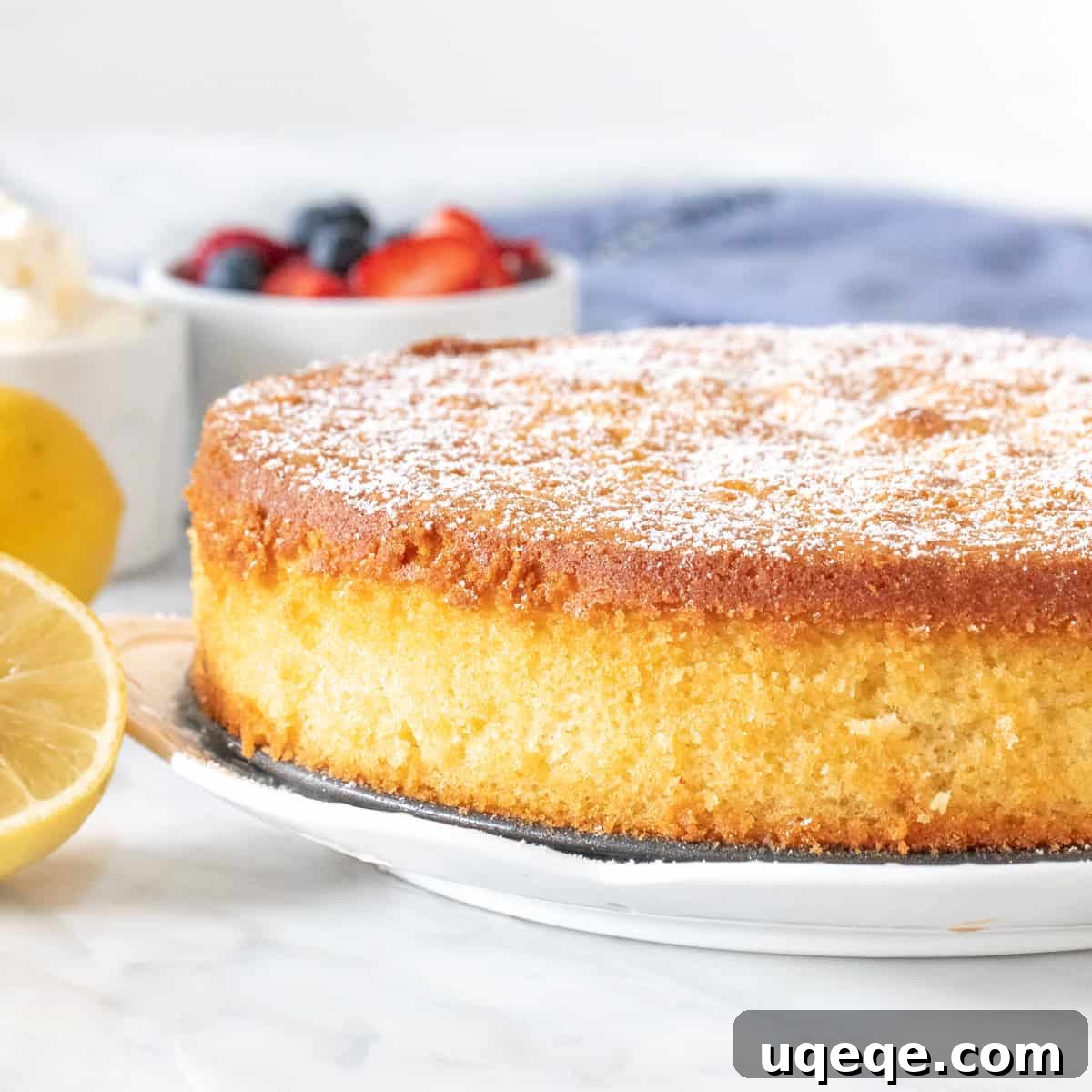
The Ultimate Moist Lemon Olive Oil Cake: An Easy & Elegant Recipe
Indulge in a truly exquisite baking experience with this simple yet elegant lemon olive oil cake. Renowned for its incredibly moist texture and vibrant lemon flavor, this cake is an absolute delight that effortlessly elevates any occasion. Whether served as a sophisticated dessert, a lovely accompaniment to afternoon tea, or a bright addition to brunch, its tender crumb remains wonderfully fresh for days, making it an ideal “back pocket” recipe for any baker.
This lemon olive oil cake transcends the ordinary, offering a perfect balance of zesty lemon and subtle olive oil notes without being overly sweet or heavy. Its crumb is remarkably tender and light, a testament to the unique qualities of olive oil in baking. Crafted with simple, everyday ingredients, this recipe is quick to assemble, leaving you with more time to enjoy its delightful results. Imagine slicing into a piece for breakfast days after baking – that’s the enduring moistness and charm of this cake!
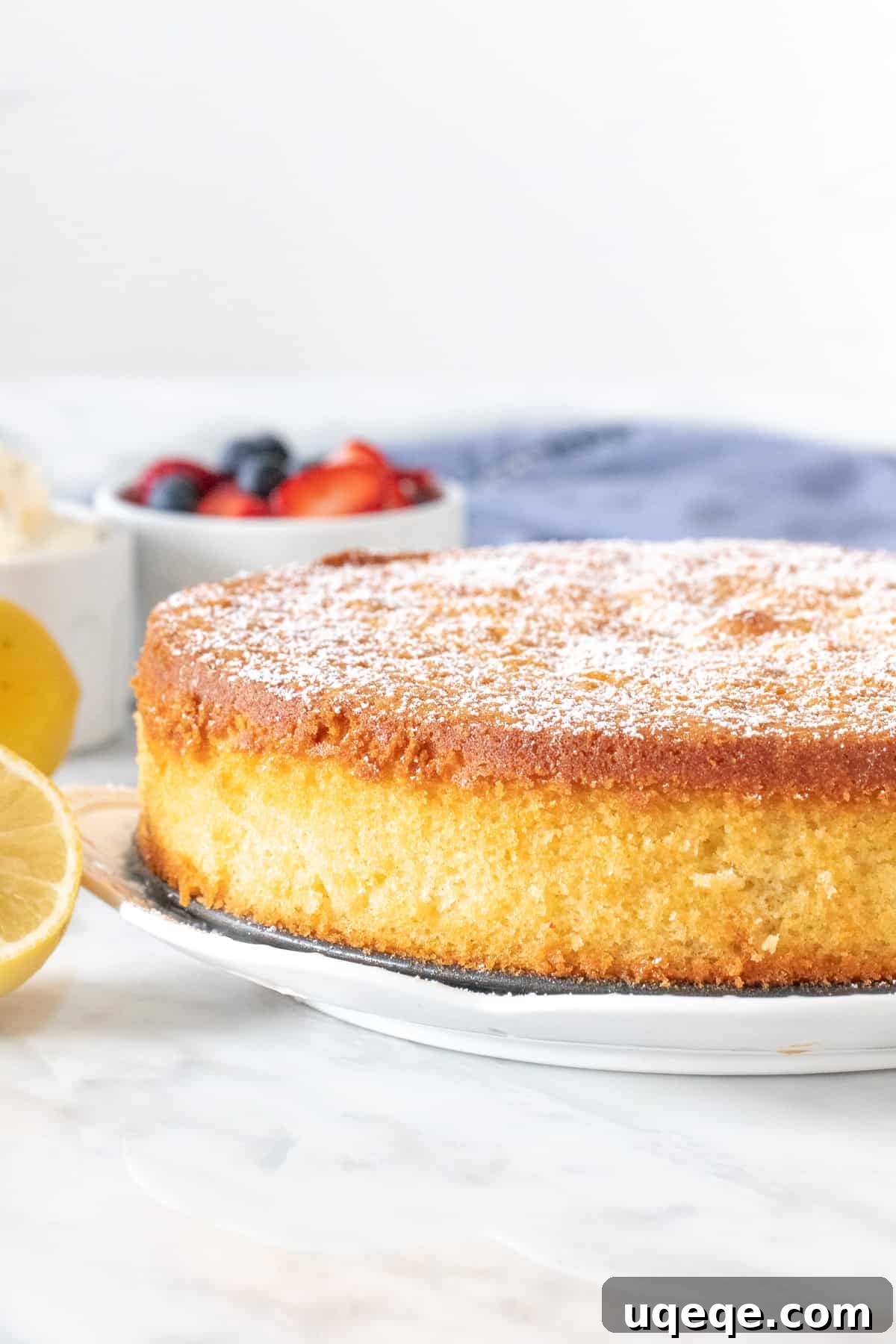
Baking with the Golden Elixir: Understanding Olive Oil in Cakes
While butter is a traditional staple in many baking recipes, olive oil holds a cherished place in classic Mediterranean desserts, celebrated for its ability to impart a distinct flavor profile and remarkable moisture. Unlike butter, which is typically around 20% water, olive oil is 100% fat, contributing to cakes that are not only incredibly moist but also stay fresh and tender for significantly longer. This makes it an excellent choice for desserts that benefit from a prolonged shelf life, perfect for enjoying over several days.
It’s important to view olive oil not merely as a substitute for butter, but as an ingredient that actively contributes to the cake’s unique character. Its fruity, peppery, or sometimes grassy notes can beautifully complement certain flavors. It pairs particularly well with citrus fruits like lemon and orange, as well as nuts such as almonds. Rest assured, your cake will not taste like salad dressing; when baked, the olive oil’s flavor mellows and transforms, blending seamlessly with the other ingredients to create a sophisticated depth of taste.
When incorporating olive oil into your baking, choosing the right type is key. For this lemon olive oil cake, a high-quality extra-virgin olive oil with a mild to medium intensity is generally recommended, especially if you’re new to olive oil baking. Avoid oils labeled “robust” or “strong,” as these might impart too dominant a flavor. Opt for a good quality brand readily available at your local grocery store – you don’t need to break the bank for an artisanal, ultra-premium oil, but certainly avoid cooking-grade or generic blends that might lack the nuanced flavor profile you desire for a dessert.
Why This Lemon Olive Oil Cake Recipe Shines

Through countless experiments with various olive oil cake recipes – some featuring ground almonds for texture, others enhanced with liqueurs like Grand Marnier – this particular lemon olive oil cake has emerged as an undisputed favorite. Its appeal lies in its disarmingly simple preparation, allowing the bright, pure lemon flavor to truly take center stage. The cake itself is so intrinsically delicious that elaborate toppings are often unnecessary, though a simple dusting of powdered sugar, a dollop of whipped cream, or a scattering of fresh berries can add a beautiful touch.
The foundation of this cake’s exceptional texture and rise begins with a crucial step: vigorously beating the eggs, granulated sugar, and fresh lemon zest together. This aeration process is vital; you’ll need to whip the mixture for approximately 5 minutes, or until it transforms into a pale, almost white color and has visibly tripled in volume. This creates a light, airy base that ensures your cake rises beautifully and maintains a tender, open crumb rather than becoming dense.
Once your egg mixture is perfectly airy, the next step involves gently incorporating the liquid ingredients. With the mixer set to a low speed, a steady stream of olive oil and freshly squeezed lemon juice is drizzled in. This gradual addition helps to emulsify the ingredients evenly. Finally, the dry ingredients are folded in little by little, alternating with whole milk. This method prevents overmixing, which can lead to a tough cake, and helps maintain the light structure built in the earlier steps. In a remarkably short amount of time, your silky, ready-to-bake cake batter will be complete – expect it to be a slightly thinner consistency than some other cake batters, which is perfectly normal for an olive oil cake.
Essential Baking Tips for a Perfect Lemon Olive Oil Cake
Achieving a truly exceptional lemon olive oil cake is simple when you follow a few key guidelines:
- Choose the Right Pan: It is imperative to use a 9-inch round cake pan with high sides, measuring at least 2 inches (approximately 5 cm) deep. A springform pan is an excellent choice due to its naturally higher sides and ease of unmolding. If you opt for a springform pan that tends to leak or doesn’t create a perfectly tight seal, wrap the outside securely with aluminum foil to prevent any batter from escaping.
- Alternative Pan Sizes: If your only available pans have shorter sides (such as typical sandwich tins, which are often only 1 to 1.5 inches deep), you can still make this cake! Simply divide the batter between two 8-inch round pans. Adjust the baking time to approximately 30 minutes at 350°F (175°C), or until a toothpick inserted into the center of each cake comes out clean.
- Quality Olive Oil Matters (But Don’t Overthink It): Select a high-quality extra-virgin olive oil. However, there’s no need to select the most expensive, highly specialized variety. A good quality brand from your local grocery store will work beautifully.
- Flavor Profile of Your Olive Oil: For your first time making this recipe, or if you prefer a subtle olive oil presence, I highly recommend using an olive oil that isn’t too strong or robust in flavor. Some bakers enjoy the bold notes of a very strong extra-virgin olive oil, but this is a matter of personal preference. A milder oil allows the lemon to shine while still contributing its signature moisture and delicate fruity undertones.
- Fresh Lemons are Non-Negotiable: Always use freshly squeezed lemon juice and fresh lemon zest. Bottled lemon juice often contains preservatives and can have a more bitter or artificial taste, which will detract from the cake’s bright flavor. You’ll generally need 2-3 average-sized lemons to yield the required 2 tablespoons of zest and 1/4 cup of juice for this recipe. A crucial tip: always zest your lemons first, before cutting and squeezing the juice. It’s much easier to zest a whole, firm lemon than a halved or squeezed one.
- Room Temperature Eggs: Ensure your eggs are at room temperature. This allows them to incorporate more easily with other ingredients, creating a smoother, more emulsified batter, and ultimately contributing to a lighter, more evenly textured cake.
Note: Don’t be alarmed if the raw batter tastes quite strongly of olive oil. This is completely normal! The flavors mellow and integrate beautifully during the baking process, resulting in a perfectly balanced and delicious cake.
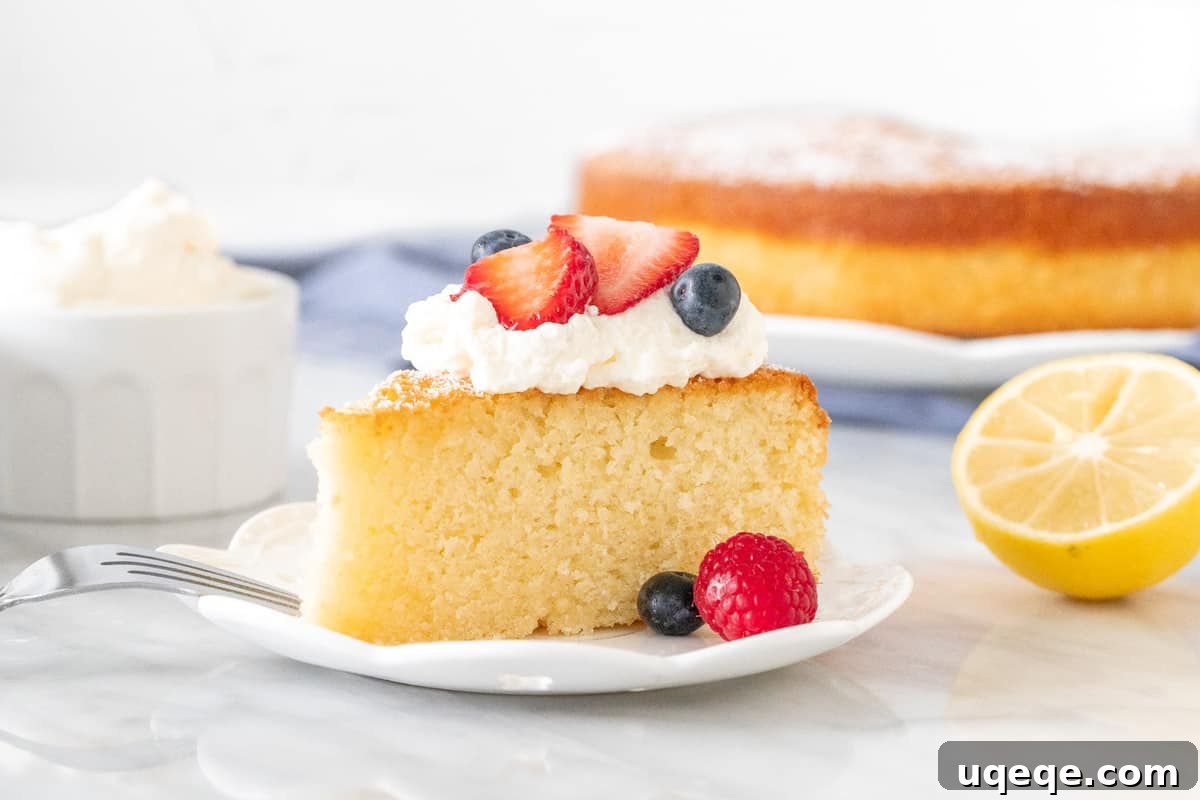
With its incredible moistness and delightful lemon flavor, this olive oil cake is truly perfect for any gathering or a simple treat. If you adore lemon desserts as much as we do, make sure to explore these other fantastic lemon-infused favorites from our collection:
- Zesty Lemon Loaf
- Refreshing Lemon Blueberry Cake
- Creamy Lemon Cheesecake with Blueberry Compote
- Delicious Lemon Poppy Seed Bread

Rated 5 out of 5 stars from 2 votes
Lemon Olive Oil Cake
By: Fiona Dowling
Lemon olive oil cake is a simple, elegant cake that’s incredibly moist with a delicious lemon flavor. It’s perfect for dessert, afternoon tea or brunch and stays moist and tender for days.
Prep: 20 mins | Cook: 45 mins | Total: 1 hr 5 mins | Servings: 12 pieces
Pin Recipe |
Rate Recipe |
Print Recipe
Equipment
- 9-inch round cake pan with high sides (at least 2 inches)*
Ingredients
- 2 cups all-purpose flour
- 1 teaspoon baking powder
- 1/2 teaspoon baking soda
- 1/4 teaspoon salt
- 3 large eggs, room temperature
- 1 1/2 cups granulated sugar
- 2 tablespoons lemon zest*
- 3/4 cup extra-virgin olive oil*, I don’t recommend choosing anything labeled “Robust” or “Strong” in flavor
- 1 teaspoon vanilla extract
- 1/4 cup lemon juice, freshly squeezed
- 1 cup whole milk
Instructions
- Preheat the oven to 350°F (180°C) degrees.
- Grease and flour the bottom and sides of a 9-inch round (23 cm) cake pan. Ensure the cake pan has sides that are at least 2 inches (5 cm) high. I typically use a springform pan.*
- In a medium bowl, whisk together the flour, baking powder, baking soda, and salt. Set aside.
- In a separate large bowl, using an electric mixer, beat the eggs, granulated sugar, and lemon zest for about 5 minutes. The mixture should become pale white in color and significantly increase in volume (about triple what you started with).
- With the mixer on low speed, slowly beat in the olive oil, vanilla extract, and freshly squeezed lemon juice until just combined.
- Gradually mix in about half of the dry flour mixture into the wet ingredients, followed by about half of the milk. Repeat this process with the remaining flour mixture and milk until everything is just combined and the batter is smooth. Be careful not to overmix.
- Pour the prepared batter evenly into your greased and floured cake pan.
- Bake in the preheated oven on the middle rack for 45-50 minutes, or until a wooden skewer or toothpick inserted into the center of the cake comes out clean.
- Once baked, gently trace around the edges of the cake with a thin, sharp knife to loosen it from the pan. Allow the cake to cool in the pan for at least 20 minutes on a wire rack. If using a regular cake tin, gently invert the pan onto a wire rack to release the cake and let it cool completely. If using a springform pan, simply unclamp the outer ring.
- When the cake is fully cooled, you can optionally sift 1/2 teaspoon of powdered sugar on top of the cake for a decorative touch, and/or serve with fresh whipped cream and berries for an elegant presentation.
Notes
- Make sure your pan has high sides – at least 2 inches (5 cm). I typically use a springform pan for its convenience. If your pan does not have high sides (such as many sandwich tins), you can bake the cake in two 8-inch sandwich tins for about 30 minutes, or until an inserted toothpick comes out clean.
- You will need approximately 2-3 lemons in total to yield 2 tablespoons of lemon zest and 1/4 cup of lemon juice. Always zest your lemons first before cutting and squeezing the juice. Avoid using bottled lemon juice, as it can often be too bitter and lacks the fresh flavor.
- In our taste tests, most people preferred the flavor of this cake when made with a light-flavored or mild extra-virgin olive oil. The raw cake batter will taste considerably more like olive oil than the baked cake. I do not recommend using anything labeled “robust” or “strong” for this recipe unless you specifically desire a very pronounced olive oil flavor.
- Store the cooled cake in an airtight container at room temperature for 4-5 days to maintain its moisture and freshness. Alternatively, it can be stored in the refrigerator for up to 1 week.
- Nutrition information provided is an estimate only and is based on 1 piece of cake, assuming the cake is sliced into 12 equal portions.
Nutrition
Calories: 325 kcal, Carbohydrates: 43g, Protein: 4g, Fat: 16g, Saturated Fat: 3g, Trans Fat: 1g, Cholesterol: 48mg, Sodium: 122mg, Potassium: 107mg, Fiber: 1g, Sugar: 26g, Vitamin A: 100IU, Vitamin C: 3mg, Calcium: 49mg, Iron: 1mg
Enjoy this delightful recipe! We’d love to hear your thoughts. Rate and comment below to share your experience!
We hope you enjoy baking and savoring this magnificent Lemon Olive Oil Cake. Its incredible moisture, vibrant lemon notes, and tender texture are sure to make it a cherished recipe in your kitchen. Happy baking!