
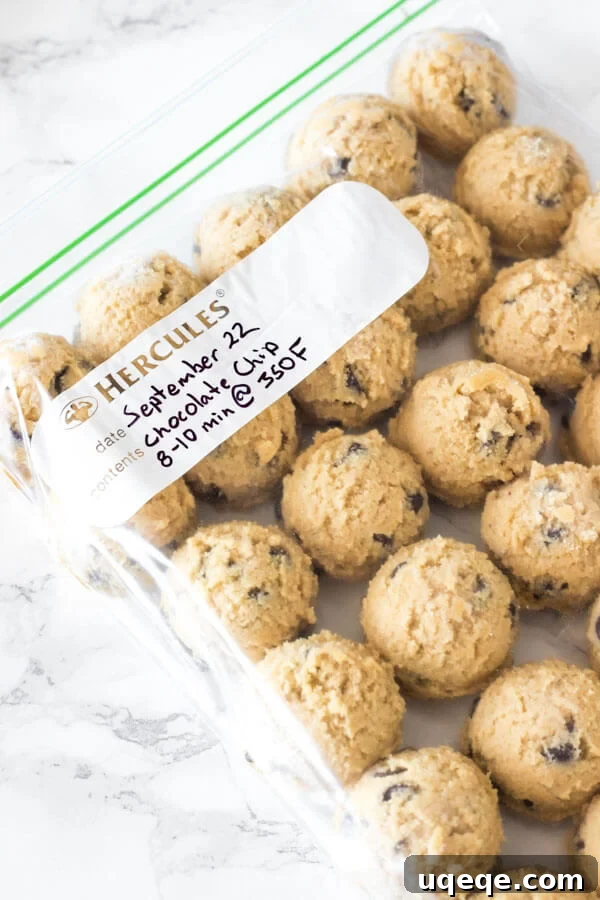
The Ultimate Guide to Freezing Cookie Dough and Baked Cookies
Imagine having warm, fresh-from-the-oven cookies ready in minutes, any time a craving strikes or unexpected guests arrive. Freezing cookie dough or freshly baked cookies isn’t just a convenience; it’s a baking superpower, especially vital during busy seasons like the holidays. This comprehensive guide will walk you through all the essential tips and tricks for how to freeze various types of cookie dough – from classic chocolate chip to festive cut-out designs and convenient slice-and-bake logs – as well as perfectly preserving baked cookies. Get ready to save on prep time and enjoy delicious homemade treats with unprecedented ease!
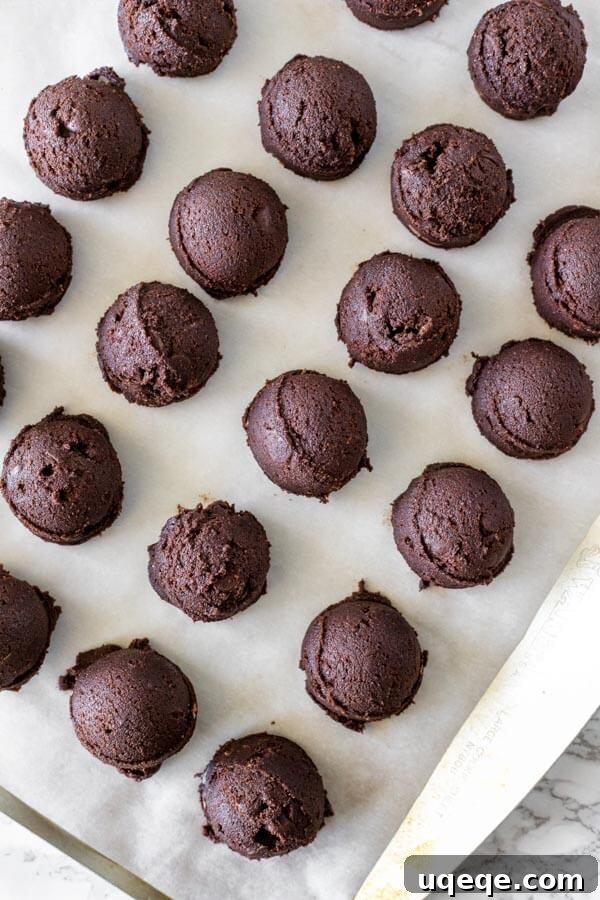
One of the most frequent questions any baker encounters is, “Can I freeze these?” and “How long will they last?” The good news is that for the vast majority of cookie recipes, both the dough and the baked cookies freeze exceptionally well. This simple technique transforms your baking schedule, allowing you to prepare large batches in advance and then bake just a few cookies at a time, or an entire tray, whenever the mood strikes. Within mere minutes, you can have that irresistible aroma of freshly baked cookies filling your home.
While freezing baked cookies certainly offers a time-saving advantage, many bakers, including myself, find that freezing the dough yields superior results. There’s something truly magical about biting into a warm cookie straight from the oven, especially when it boasts gooey, melty chocolate chips. However, both methods have their merits, and we’ll cover detailed instructions for both. It’s important to note a few exceptions: cookies with very thin batters, such as delicate madeleines, intricate lacey cookies, or even these delightful flourless chocolate cookies, typically do not fare well in the freezer. Their delicate structure can be compromised by the freezing and thawing process.
General Principles for Successful Cookie Freezing
Before diving into specific cookie types, understanding a few universal principles will ensure your freezing endeavors are always a success:
- Airtight Packaging is Key: Exposure to air is the enemy of frozen goods, leading to freezer burn and stale flavors. Always use freezer-safe bags or containers and remove as much air as possible.
- Label Everything: It’s easy to forget what’s in a mysterious package weeks or months later. Label your frozen dough with the type of cookie, the date it was frozen, and essential baking instructions (temperature and approximate time).
- Flash Freezing for Drop Cookies: This crucial step prevents individual cookie dough balls from sticking together, allowing you to grab just a few at a time without thawing the entire batch.
- Maintain Cold Temperatures: For best results, especially with cut-out and slice-and-bake dough, ensure the dough remains cold during thawing and preparation. This helps maintain its structure and prevents spreading.
- Quality Ingredients Matter: Start with a great cookie recipe and high-quality ingredients. Freezing won’t improve a poor-quality dough.
How to Freeze Drop Cookie Dough
Freezing dough for drop cookies, like chocolate chip or oatmeal raisin, is incredibly straightforward and efficient. Here’s how to do it:
- Prepare the Dough: Follow your chosen recipe to prepare the cookie dough. If the recipe calls for chilling the dough first, go ahead and do that.
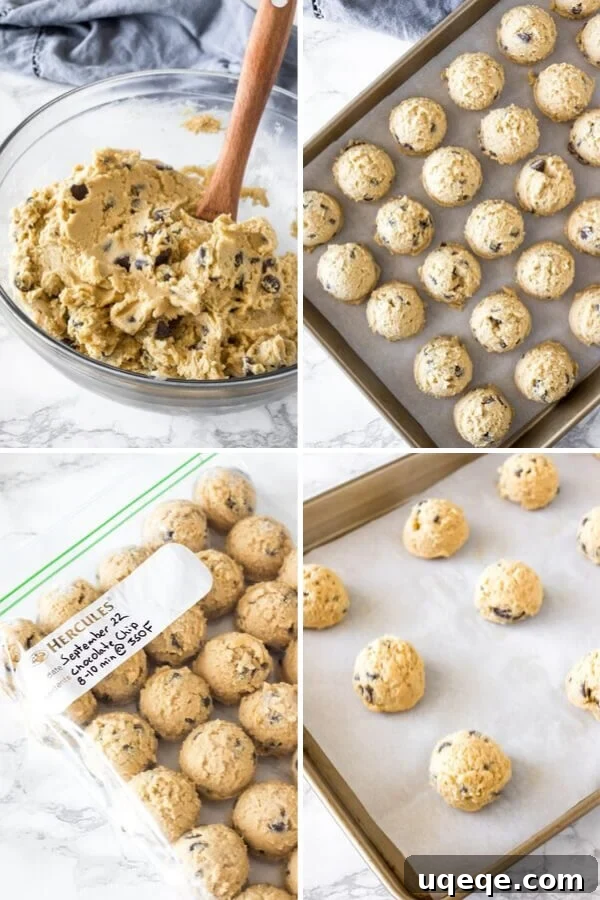
- Form and Flash Freeze: Scoop or roll the dough into individual balls, exactly as you would if you were baking them immediately. Arrange these dough balls on a baking sheet lined with parchment paper or a silicone mat. Ensure they are close together but not touching, as they won’t expand at this stage.
- Chill for Firmness: Place the entire baking sheet into the refrigerator or freezer for about 30 minutes to 1 hour. This “flash-freezing” step allows the dough balls to firm up individually, preventing them from clumping together when transferred to a bag.
- Transfer to Freezer Bags: Once the cookie dough balls are firm and solid, carefully transfer them from the baking sheet into a heavy-duty, freezer-safe bag or an airtight container.
- Remove Air and Seal: Press out as much excess air as possible from the bag before sealing it tightly. If using a container, ensure the lid forms an airtight seal.
- Label Clearly: Don’t forget to label the bag or container with the type of cookie, the date you froze them, and the baking temperature and time from your original recipe. This small step saves you from searching for the recipe later.
- Freeze: Store the prepared dough in the freezer for up to 3 months for optimal freshness and flavor.
Baking Frozen Drop Cookie Dough
The beauty of frozen cookie dough is that you typically don’t need to thaw it before baking. Here’s the simple process:
- Preheat Oven and Prepare Sheets: Preheat your oven to the temperature specified in your recipe. Line your baking sheets with parchment paper or silicone mats.
- Arrange Dough: Place the frozen cookie dough balls directly onto the lined baking sheets, spacing them about 2 inches apart to allow for proper spreading. (You can see this arrangement in the fourth photo of the collage above.)
- Bake: Bake the cookies according to your recipe’s instructions, adding an extra 1 to 3 minutes to the baking time, as they are starting from a frozen state. Keep an eye on them towards the end to prevent over-baking. Look for golden edges and a set center.
Pro Tip: You can bake as few or as many cookies as you need directly from the freezer. No thawing required, meaning warm, fresh cookies are just minutes away!
What Kind of Cookie Dough Freezes Well?
The drop cookie method described above works wonderfully for most standard drop cookies. This includes popular varieties where dough is typically scooped or dropped onto a baking sheet. Some excellent candidates for freezing include:
- Chocolate Chip Cookies: A timeless classic that freezes perfectly, yielding wonderfully gooey centers and crisp edges when baked from frozen.
- Double Chocolate Chip Cookies: For the ultimate chocolate lover, these rich cookies hold up beautifully in the freezer.
- Oatmeal Raisin Cookies: The hearty texture of oatmeal cookies makes them excellent candidates for freezing.
- Peanut Butter Cookies: These dense, flavorful cookies retain their shape and taste remarkably well after freezing.
- Snickerdoodle Cookies: To freeze snickerdoodle dough, follow the drop cookie method, but *do not* roll them in cinnamon sugar until just before baking. This ensures the sugar coating remains fresh and doesn’t get absorbed into the dough during freezing.
- Shortbread Cookies: While often cut out, shortbread dough can also be frozen in log form (like slice-and-bake) or even as individual pre-cut shapes.
How to Freeze Cut-Out Cookies
Cut-out cookies, such as festive sugar cookies or fragrant gingerbread, are perfect for make-ahead baking. Freezing the dough allows you to have it ready for rolling and cutting whenever inspiration strikes. Here’s the process:
- Prepare the Dough: Make your chosen cut-out cookie dough according to the recipe. Many recipes call for chilling the dough before rolling, which you should still do.
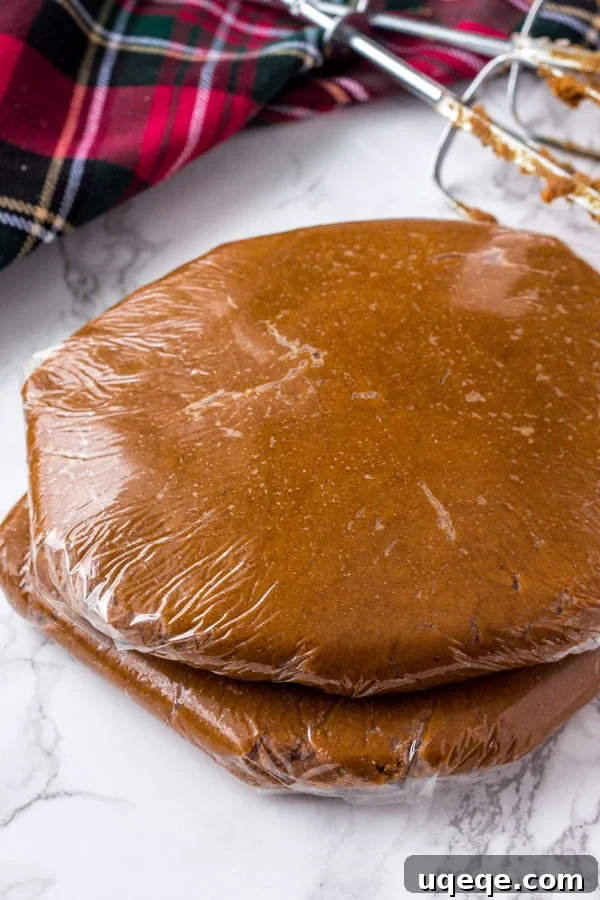
- Form Discs: Divide the dough into two or more manageable round discs (typically 1-inch thick, depending on your recipe’s yield). This shape makes it easier to thaw and roll out later.
- Wrap Tightly: Individually wrap each disc very tightly in several layers of plastic wrap, ensuring no air can get to the dough. You can also place the wrapped discs into a freezer-safe bag for an extra layer of protection.
- Freeze: Place the wrapped dough discs in the freezer for up to 3 months.
- Thaw Gradually: When you’re ready to bake, transfer the frozen dough discs to the refrigerator and let them thaw overnight. This slow thawing prevents excessive moisture accumulation and helps the dough maintain its ideal rolling consistency.
- Roll and Bake: Once thawed, unwrap the dough and roll it out on a lightly floured surface. Cut out your desired shapes and bake them according to your recipe’s instructions.
How to Freeze Slice-and-Bake Cookies
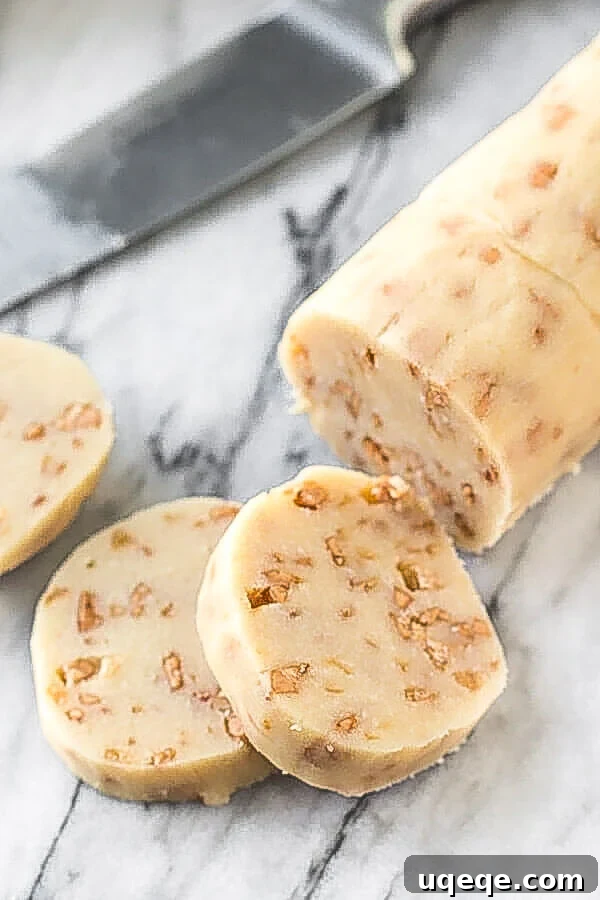
Slice-and-bake cookies, often affectionately called icebox cookies, are the epitome of convenience. Their log shape makes them incredibly easy to store and bake. To freeze slice-and-bake cookies, simply:
- Form the Log: Prepare your dough according to the recipe and shape it into a tight, even log. The diameter of the log will determine the size of your cookies.
- Wrap Securely: Wrap the dough log tightly in wax paper or parchment paper. Twist the ends closed like a candy wrapper to seal it securely. For extra protection against freezer burn, you can then wrap it again in plastic wrap or place it inside a freezer-safe bag.
- Label and Freeze: Label the log with the cookie type, date, and baking instructions. Freeze for up to 3 months.
- Thaw (Partially): When you’re ready to bake, transfer the frozen log to the refrigerator and let it thaw overnight. It’s crucial that the dough remains cold and firm enough to slice cleanly, so avoid letting it come to room temperature.
- Slice and Bake: Unwrap the chilled log, and using a sharp knife, slice the dough into uniform rounds (usually 1/4 to 1/2 inch thick). Arrange the slices on a lined baking sheet and bake immediately according to your recipe’s instructions.
How to Freeze Baked Cookies
While I generally recommend freezing cookie dough for that fresh-from-the-oven experience, sometimes you simply have leftover baked cookies or need to prepare a large batch in advance. Freezing baked cookies is a fantastic way to extend their shelf life and ensures you always have a sweet treat on hand. Here’s how to do it correctly:
- Cool Completely: This is the most critical step. Cookies must be completely cooled to room temperature before freezing. Any residual warmth will create condensation inside the packaging, leading to soggy cookies and freezer burn.
- Layer for Protection: For most cookies, arrange them in a single layer on a baking sheet and flash freeze for about 30 minutes until solid. This prevents them from sticking together. Alternatively, place them directly into an airtight freezer-safe container, separating each layer with parchment paper or wax paper. Never stack cookies directly on top of each other and freeze without a protective layer in between, as they will undoubtedly stick.
- Seal Tightly: Transfer the flash-frozen cookies to heavy-duty freezer bags or continue using your airtight containers. Remove as much air as possible if using bags to prevent freezer burn.
- Label and Freeze: Label the container with the cookie type and freezing date. Freeze for up to 3 months. For cookies without frosting, they can often last a bit longer, but 3 months is a good general guideline for optimal quality.
- Thaw and Serve: When ready to enjoy, transfer the frozen baked cookies to the refrigerator to thaw overnight, or simply let them come to room temperature on the counter for a few hours.
- Reheating for Warmth: To bring back that “freshly baked” feel, preheat your oven to 275°F (135°C). Place the thawed or partially frozen cookies on a lined baking sheet and bake for 5-10 minutes. This gentle reheating warms them through and often restores a pleasant texture.

Why Freezing Cookie Dough is a Game-Changer
The benefits of freezing cookie dough are numerous, transforming the way you approach baking and making it an indispensable part of your kitchen routine:
- Unmatched Convenience: It dramatically simplifies holiday preparation and streamlines everyday baking. With pre-made dough, you’re always ready for anything.
- Instant Gratification: Craving a sweet treat? You can bake a whole batch of cookies in under 15 minutes, perfect for last-minute company, a quick after-school snack, or a late-night indulgence.
- Portion Control: Freezing dough in individual portions means you can bake just one or two cookies at a time, preventing overindulgence and ensuring every cookie is enjoyed fresh.
- Consistent Quality: There’s virtually no negative impact on the cookie’s flavor or texture. In fact, some doughs can even benefit from a brief chill, allowing flavors to meld beautifully.
- Reduced Waste: No more throwing away stale cookies! Freeze what you won’t eat immediately and enjoy them later, fresh.
- Stress-Free Entertaining: Hosting a party or potluck? Bake fresh cookies on demand, without spending hours in the kitchen right before guests arrive.
Cookies Not Recommended for Freezing
While most cookie dough freezes beautifully, some types are best enjoyed fresh:
- Thin, Delicate Cookies: As mentioned earlier, cookies like madeleines, Florentines, or very thin lacey cookies often become brittle, lose their crispness, or stick together when frozen and thawed.
- Cookies with Delicate Fillings or Frostings: Cookies with fresh fruit fillings, delicate meringues, or certain icings (especially those prone to weeping or separating upon thawing) are generally not good candidates. Simple glazes or sturdy buttercreams can sometimes work with baked cookies, but always test first.
- Highly Decorated Cookies: Intricate decorations, especially with royal icing, can be damaged by moisture and temperature fluctuations in the freezer.
- Cookies with a Very High Moisture Content: Some very moist, cake-like cookies might become gummy or crumbly after freezing.
Storage Best Practices for Frozen Cookie Dough
To maximize the life and quality of your frozen cookie dough and baked cookies, adhere to these practices:
- Use the Right Containers: Heavy-duty freezer bags (designed for freezing) are excellent for dough balls and wrapped logs. For baked cookies, sturdy airtight containers with parchment paper between layers are ideal to prevent crushing.
- Eliminate Air: Air exposure causes freezer burn, leading to dry, off-tasting cookies. Use a straw to suck air out of freezer bags or invest in a vacuum sealer for the ultimate protection.
- Avoid Odor Absorption: Your freezer can hold many different foods. Ensure your cookies are sealed well to prevent them from absorbing unwanted odors from other items like garlic or onions.
- Organize Your Freezer: Keep your cookie dough organized so you know what you have and can easily access it. Labeling clearly helps here.
- Optimal Freezer Temperature: Maintain your freezer at 0°F (-18°C) or colder for the best food preservation.
Recipe: Freezing Cookie Dough Basics
Ingredients
- 1 batch of your favorite cookie dough (prepared according to recipe)
Instructions
How to Freeze Drop Cookies (e.g., Chocolate Chip, Oatmeal Raisin)
- Prepare the cookie dough according to your recipe’s instructions. If the recipe suggests chilling, do so first.
- Form the dough into uniform balls (the size specified in your recipe) and place them on a baking sheet lined with parchment paper. They can be placed close together for flash freezing.
- Place the baking sheet with dough balls into the refrigerator or freezer for 30-60 minutes, or until the dough balls are firm. This “flash-freezing” step prevents them from sticking together.
- Once firm, transfer the dough balls to a heavy-duty, freezer-safe bag or airtight container. Remove as much excess air as possible and seal tightly.
- Label the bag or container with the cookie type, the date frozen, and the original baking instructions (temperature and time).
- Freeze for up to 3 months.
- To Bake from Frozen: Preheat your oven and line a baking sheet. Place frozen dough balls 2 inches apart on the sheet. Bake for 1-3 minutes longer than your recipe specifies, or until golden brown on the edges and set in the center. No thawing is needed.
How to Freeze Cut-Out Cookies (e.g., Gingerbread, Sugar Cookies)
- Prepare the cookie dough according to your recipe.
- Divide the dough into 1-inch thick round discs. Wrap each disc tightly in multiple layers of plastic wrap. For added protection, place wrapped discs in a freezer-safe bag.
- Freeze for up to 3 months.
- To Bake: Thaw the dough discs overnight in the refrigerator. Once thawed, unwrap and roll out the dough on a lightly floured surface. Cut into shapes and bake according to your recipe’s instructions.
How to Freeze Slice-and-Bake Cookies (aka Icebox Cookies)
- Prepare the dough according to your recipe instructions.
- Form the dough into an even log shape (as the recipe instructs). Wrap the log tightly in wax paper or parchment paper, twisting the ends closed. For extra protection, place the wrapped log in a freezer-safe bag, removing excess air.
- Label the bag or log with the cookie type, date, and baking details.
- Freeze for up to 3 months.
- To Bake: Thaw the dough log overnight in the refrigerator. It’s important for the dough to remain cold and firm for clean slicing. Unwrap the log, slice into uniform rounds (e.g., 1/4 to 1/2 inch thick), and bake immediately according to your recipe’s instructions.
Notes
For cookies that are rolled in sugar or powdered sugar (like Snickerdoodles or Mexican Wedding Cookies), roll them in the coating *after* freezing but *before* baking. This ensures the coating remains distinct and fresh.
Embrace the convenience of freezing cookie dough and baked cookies, and elevate your baking game. You’ll never be far from a delightful, homemade treat!