
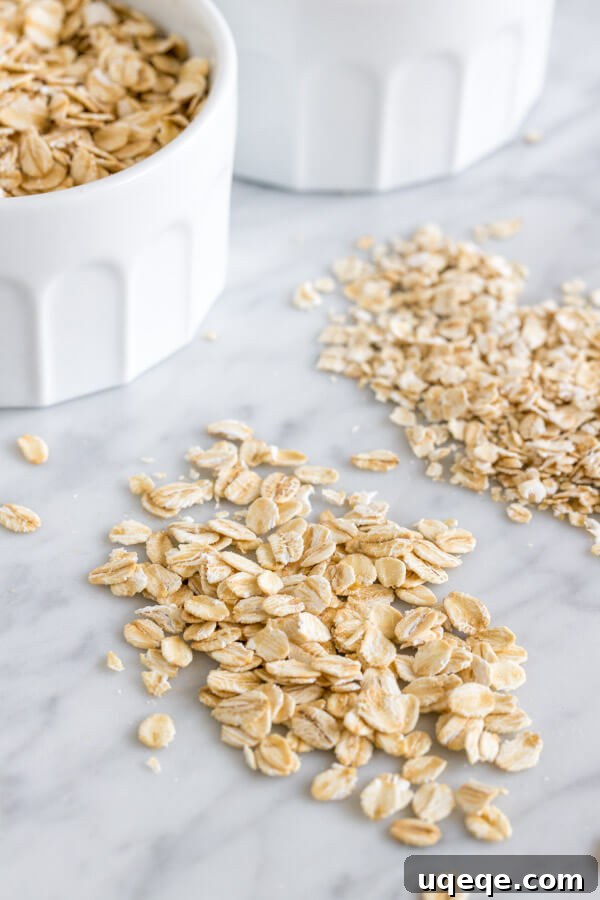
Have you ever found yourself staring at a shelf full of oat varieties – quick, rolled, old-fashioned, steel-cut – wondering which one is the right choice for your next baking adventure? Whether you’re dreaming of chewy oatmeal raisin cookies, hearty homemade granola bars, or a comforting apple crisp, understanding the nuances of different oats is crucial for achieving perfect results. This comprehensive guide will demystify the world of oats in baking, explaining why they are such an indispensable ingredient and how to choose the ideal type for every recipe.
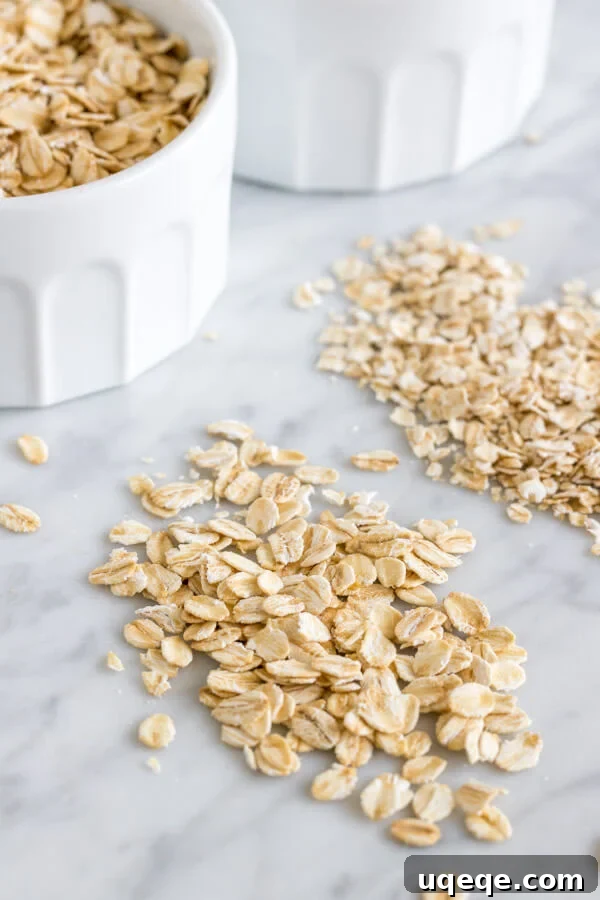
From a rustic apple crisp topping to perfectly soft and chewy oatmeal cookies, selecting the correct type of oats will significantly impact the texture, structure, and overall success of your baked goods. As a baker, I frequently encounter questions regarding oat substitutions and modifications. That’s why we’re dedicating this deep dive into everything you need to know about baking with oats – covering their functional roles, distinguishing between different types, essential weights and measurements, and answering all your burning questions. So, grab a warm cup of coffee and perhaps an oatmeal cookie, and let’s explore the versatile world of oats!
The Essential Role of Oats in Baking
Oats are far more than just a filler ingredient; they are active participants in the chemistry and sensory experience of your baked creations. Their unique properties contribute significantly to the final product in several key ways:
- Texture and Chewiness: Oats are renowned for providing a delightful chewiness and hearty texture that is hard to replicate. Depending on the type, they can add anything from a delicate softness to a robust, satisfying bite. This is particularly noticeable in cookies, crumbles, and granola bars.
- Structural Support and Binding: As whole grains, oats absorb moisture remarkably well. This absorption is crucial for balancing liquid content in recipes, preventing baked goods from becoming overly wet or dense. They help bind ingredients together, lending stability to doughs and batters, and preventing crumbly textures where cohesion is desired.
- Distinct Flavor Profile: Oats impart a delicious, earthy, and subtly nutty flavor to baked goods. This wholesome taste complements a wide array of ingredients, from sweet fruits and spices to rich chocolate. They add a depth of flavor that enhances the overall taste experience.
- Nutritional Enhancement: Beyond their functional and flavor contributions, oats are celebrated for their nutritional benefits. As a whole grain, they are rich in dietary fiber, including soluble fiber (beta-glucan), which is known for its heart-healthy properties. Incorporating oats into baked goods is an excellent way to boost their nutritional value, making treats feel a little more wholesome.
- Moisture Retention: Thanks to their absorbent nature, oats can help baked goods stay moist for longer. They hold onto moisture, slowly releasing it, which contributes to a softer, more palatable texture over time and can extend shelf life.
Understanding Different Types of Oats for Baking
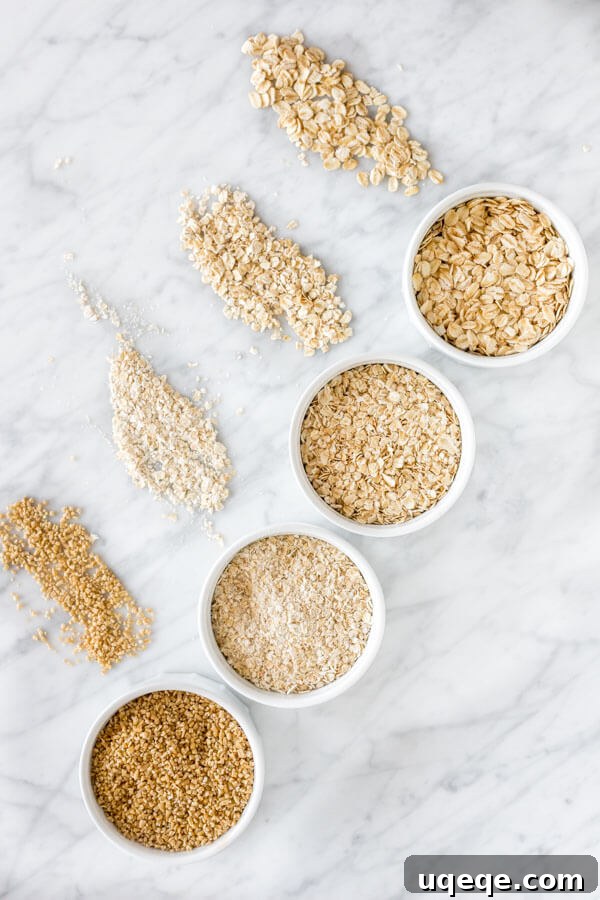
While all oats originate from the same grain, the way they are processed leads to vastly different textures, cooking times, and ideal applications in baking. Choosing the right type is paramount for recipe success.
1. Old-Fashioned Oats (Rolled Oats / Large Flake Oats)
Old-fashioned oats, also widely known as rolled oats or large flake oats, are perhaps the most common variety called for in baking recipes. These oats are created by steaming oat groats (the hulled oat grain) and then rolling them flat into thick flakes. This steaming process partially cooks the oats, while the rolling increases their surface area, allowing them to cook faster than whole groats.
- Processing: Steamed and rolled flat into large, relatively thick flakes.
- Texture in Baking: They retain their shape and provide a wonderfully chewy, substantial texture. This makes them ideal for recipes where a noticeable oat presence and a robust chew are desired.
- Ideal Uses: Perfect for cookies (like classic oatmeal raisin), granola, fruit crisps and crumbles (where they contribute to a crunchy topping), hearty muffins, and certain breads. Their larger size contributes to a more rustic and wholesome feel.
- Flavor: Offers a distinct, full-bodied nutty flavor that stands out in baked goods.
2. Quick Oats (Quick-Cooking Oats)
Quick oats are essentially a more processed version of old-fashioned rolled oats. They begin as old-fashioned oats but undergo further processing: they are steamed, rolled flat, and then cut into smaller pieces. This additional step reduces their size and thickness, enabling them to cook much more rapidly – hence the name “quick oats.”
- Processing: Steamed, rolled flat, and then cut into smaller, thinner pieces.
- Texture in Baking: Due to their finer texture and smaller size, quick oats blend more seamlessly into batters. They provide a softer, less prominent chew compared to old-fashioned oats, contributing to a more uniform texture.
- Ideal Uses: Excellent for recipes where you want the nutritional benefits and flavor of oats without a strong, chewy texture. Think delicate cookies, muffins, quick breads, some bars, and recipes where a smoother consistency is preferred. They are also often used in meatloaf or meatballs as a binder.
- Flavor: Similar nutty flavor to old-fashioned oats, but can be slightly less pronounced due to their smaller size.
- Interchangeability: While often interchangeable with old-fashioned oats in a 1:1 ratio for many recipes (especially cookies), note that quick oats will result in a slightly softer, less textured final product. Always check recipe notes for specific guidance.
3. Instant Oats (Instant Oatmeal)
Instant oats represent the most processed form of rolled oats. They are cut into even finer pieces than quick oats, pre-cooked, dried, and often come in individual packets with added flavorings and sweeteners. They are designed for maximum convenience, cooking almost instantly with hot water or milk.
- Processing: Heavily processed; cut into very small, thin pieces, pre-cooked, and then dried.
- Texture in Baking: Their extremely fine texture and pre-cooked nature mean they absorb liquid very quickly and can turn mushy or gummy when baked. They behave more like a flour thickener than whole oats, often leading to a dense, undesirable texture.
- Recommendation for Baking: Instant oats are generally not recommended as a substitute for quick or old-fashioned oats in most baking recipes. Their properties are too different, and they will likely alter the recipe’s intended texture and moisture balance dramatically. Only use them if a recipe specifically calls for instant oats, which is rare outside of certain specific applications or no-bake energy bites.
4. Steel-Cut Oats (Irish Oats / Pinhead Oats)
Steel-cut oats are the least processed form of oats that are commonly available. Unlike rolled oats, steel-cut oats are not steamed or rolled. Instead, the whole oat groat is simply cut into two or three pieces with steel blades, resembling tiny rice grains or coarse chopped nuts.
- Processing: Whole oat groats are simply cut into smaller pieces; they are not steamed or rolled.
- Texture in Baking: Due to their hard, dense nature and minimal processing, steel-cut oats remain firm and chewy even after prolonged cooking. In typical baking scenarios, they will remain very hard and crunchy, failing to soften or integrate into the dough.
- Recommendation for Baking: Steel-cut oats are generally not suitable for most baking recipes unless specifically indicated. Their texture and extended cooking time make them incompatible with standard baking methods. They are best reserved for breakfast porridges, where their unique chewiness is prized.
Accurate Weights and Measurements for Oats
While many recipes provide volumetric measurements (cups), weighing your ingredients, especially oats, ensures greater accuracy and consistency in baking. Different types of oats can have varying densities, so a cup measure might not always translate to the same weight. Here are the approximate weights for uncooked oats:
- 1 cup uncooked old-fashioned oats: 90 grams (3.17 ounces)
- 1 cup uncooked quick oats: 90 grams (3.17 ounces)
- 1 cup uncooked instant oats: 120 grams (4.23 ounces)
- 1 cup uncooked steel-cut oats: 200 grams (7.05 ounces)
Notice that while old-fashioned and quick oats might share similar cup-to-weight ratios, instant and steel-cut oats are significantly denser per cup. This further emphasizes why substitutions without considering weight can lead to drastically different outcomes.
Frequently Asked Questions About Baking with Oats
Can I omit oats from a recipe if I don’t like them?
Unless a recipe explicitly states that oats are optional, they should generally not be omitted. Oats are a functional ingredient; they provide essential structure, volume, and texture, and crucially, they absorb a significant amount of liquid. For instance, in an oatmeal chocolate chip cookie recipe, removing the oats would result in a dough that is too wet, greasy, and lacks the necessary binding, leading to flat, overly crumbly, or overly soft cookies that spread excessively.
Can I substitute flour for oats in a recipe?
I strongly advise against substituting flour directly for oats. Oats and flour serve different primary functions in baking. While flour provides the main structural framework by forming gluten and absorbing moisture, oats contribute unique texture, chewiness, and a distinct flavor profile, alongside their significant moisture absorption capabilities. Replacing oats with flour would make the recipe too dry, dense, and crumbly, completely altering the intended texture and flavor. It would also throw off the liquid balance, leading to a much tougher or drier final product.
Are old-fashioned oats and quick oats interchangeable?
Sometimes, but with caution and an understanding of the impact. In many recipes, especially those for cookies, muffins, or quick breads, you *can* often substitute old-fashioned oats for quick oats (and vice versa) using a 1:1 ratio without catastrophic failure. However, be aware of the resulting texture difference:
- Substituting quick oats for old-fashioned oats will generally lead to a softer, less chewy, and more uniform texture in your baked goods, as the smaller oat pieces blend in more.
- Substituting old-fashioned oats for quick oats will result in a heartier, chewier texture with more noticeable oat pieces.
For recipes like fruit crumbles where a distinct, crunchy texture is key, old-fashioned oats are almost always preferred. Always follow the recipe’s specific instructions for the best results, and be prepared for minor texture variations if you make a substitution.
Are oats gluten-free?
Oats are naturally gluten-free. However, there’s a significant caveat for individuals with celiac disease or severe gluten sensitivities: cross-contamination is common. Many conventional oats are processed in facilities that also handle wheat, barley, and rye, leading to potential contamination. If you require gluten-free oats for dietary or health reasons, always look for products explicitly labeled “certified gluten-free.” These oats have been processed and packaged in dedicated facilities or subjected to strict purity protocols to ensure they meet gluten-free standards.
How should I store oats?
To maintain freshness and prevent spoilage, store oats in an airtight container in a cool, dark, dry place. This will protect them from moisture, pests, and absorbing odors from other foods. Stored properly, old-fashioned and quick oats can last for up to one year, while steel-cut oats can last even longer.
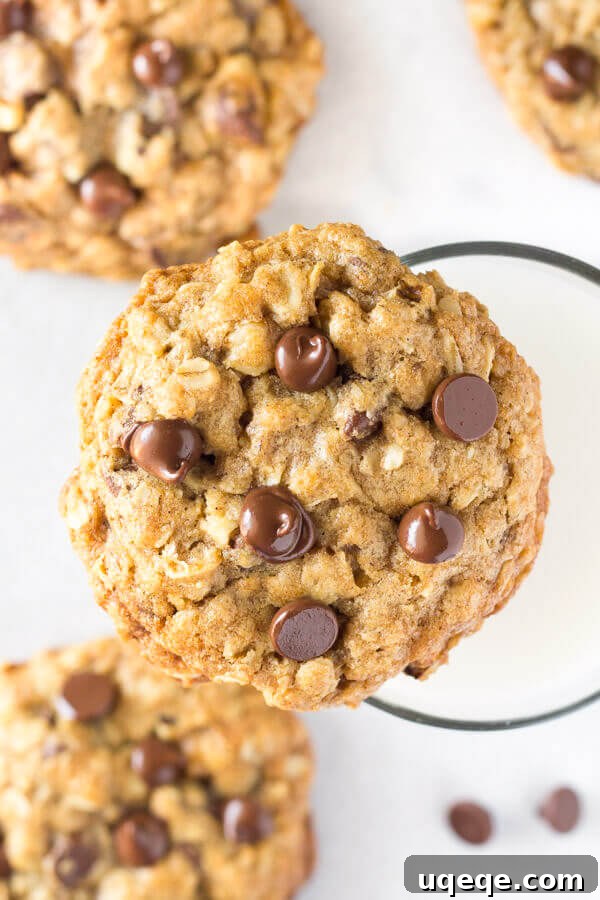
Delicious Recipes to Try with Oats
Now that you’re an expert on all things oats, it’s time to put your knowledge to good use! Explore these delightful recipes that highlight the incredible versatility and flavor of oats in baking:
- Soft and Chewy Oatmeal Chocolate Chip Cookies
- Classic Oatmeal Raisin Cookies
- Comforting Apple Crisp with a Crunchy Oat Topping
- Wholesome Mixed Berry Crumble Bars
- Sweet and Tart Strawberry Rhubarb Crisp
Mastering the art of baking with oats is all about understanding their unique characteristics and how they interact within a recipe. By choosing the right type of oat for the job, you can ensure your baked goods come out perfectly textured, flavorful, and wonderfully wholesome every time. Happy baking!